Unfortunately, addiction knows no age limits. Teens are often a statistic. According to a January 2026 report published by the National Rehab Hotline, 5.4% of …
Most Major Insurance Accepted Verify Benefits
BNI treatment’s ODD Treatment program combines evidence-based therapies such as CBT, DBT, behavior modification, and trauma-informed care to help teens gain control over their reactions, improve frustation tolerance, and develop healthier ways to communicate and cope.
Unfortunately, addiction knows no age limits. Teens are often a statistic. According to a January 2026 report published by the National Rehab Hotline, 5.4% of …
Unfortunately, addiction knows no age limits. Teens are often a statistic. According to a January 2026 report published by the National Rehab Hotline, 5.4% of eighth graders used drugs in the past month. Young adults aged 15-24 account for 5.67% of all overdose deaths.
Addiction treatment can help, but how do you find the right one for your child? Here are some things to look for.
You may wonder how someone so young can get addicted to drugs. Here are some prominent factors:
Mental health disorders are often at the root of addiction. People self-medicate to calm symptoms like anxiety and depression, often finding themselves on a downward spiral. While drugs may temporarily relieve symptoms, they worsen them in the long run, imbalancing brain chemistry and creating professional, personal, and legal issues.
Teens are no exception. They struggle to do well in school, meet their parents’ expectations, and fit in with their peers, which leads to high stress. Drugs may reduce that stress, providing temporary relief, but often lead them on a downward spiral over time.
With so many young people doing drugs, a teen may start using just to fit in. They may try to impress their peers or start indulging because everyone else is doing it. Hopefully, they will outgrow these habits, but for some, drug abuse worsens over time.
Study drugs are common among college students who use them to handle hectic schedules and all-night studies. These drugs can become addictive, leading to withdrawal symptoms and high tolerance that make them hard to quit.
Addiction can also be passed down from parents. For example:
Parents who use drugs can set a bad example for their children, making drug use seem acceptable.
Children may be brought up in an environment with violence and neglect, creating mental health challenges that contribute to drug use.
A Cleveland Clinic article reveals that genetics can have a 40% to 60% influence on addiction due to inherited levels of dopamine that can make you predisposed to mental health issues or addictive tendencies.
The sad fact is that the teen brain is more vulnerable as the reward system is still developing. They may feel stronger rewards and highs from using drugs, increasing the likelihood that an addiction will form later in life.
Finding the right residential treatment center for your child is imperative to their success. Here are some things to think about when you weigh your options.
You can familiarize yourself with what your child needs by identifying their drug of choice and the mental health issues behind their drug use. Safety risks, like suicidal thoughts, blackouts, and school refusal, can also come into play. If you’re not sure what your child requires, consider talking to a professional.
Treatment programs vary. Here are some you may consider for your child.
Inpatient Care: In this residential treatment, patients stay at the facility 24/7 for a limited period. The ongoing supervision can be beneficial, especially for severe addictions, but teens may not want to be away from school and friends. This program is also typically the most expensive choice.
Partial hospitalization programs (PHP): With this approach, patients stay at the facility for several hours during the day and return home at night. It could offer the best balance for teens, allowing them to see their friends and complete schoolwork while receiving treatment.
Intensive Outpatient & Outpatient Treatment: Inpatient care and PHP typically transition to intensive outpatient care, then to outpatient treatment. Both require teens to continue attending therapy on a flexible schedule, ensuring they maintain sobriety.
Every mental health treatment center for teens will say they offer quality care. But how can you be sure? Here are things to look out for:
Licensing, Accreditation, Credentials: Rehab centers should be licensed by state health departments to ensure they meet standards and regulations. Accreditations, such as those from the Joint Commission, ensure that they meet national standards for safety and clinical care. Staff credentials, such as licensed nurses and physicians, are also a sign of a high-quality mental health care facility.
Teen-trained staff: The staff should be specifically trained to help teens struggling with addiction issues. These individuals understand how to talk to teens and the common problems they face. They may hold licenses as child psychiatrists or psychologists.
Evidence-Based Therapies are proven to help individuals address mental health issues that may contribute to addiction, teaching patients coping skills that support emotional regulation. Common strategies include dialectical behavior therapy, cognitive behavioral therapy, and motivational enhancement. Clinics that use these strategies are more likely to get results.
Family Therapy: The entire family is often brought into therapy so they can better understand their child, avoid enabling and codependent behavior that may contribute to drug use, and ensure they provide a safe and supportive environment for their child. A 2016 report shows family involvement led to a 40% reduction in drug use as compared to individual and group therapy.
School Support: School is often a source of stress for teens. A residential treatment program can add to that stress if kids don’t have time to go to school, study, and do their homework. The program should ensure they have enough time to focus on school and may even offer study support to increase their chances of doing well.
Aftercare: Recovery doesn’t end the moment a client checks out of a residential treatment facility. The recovery process is a lifelong journey. A drug addiction clinic should support this with ongoing care and recommendations for healthy living.
Practical factors to consider when choosing a teen treatment center include:
Location: Some families may think it’s best to send their child away for treatment so they can distance themselves from the stressors of everyday life. Others may prefer a closer residential facility so they can be near families and friends.
Health Insurance and Cost: Your child’s wellness is priceless, but, unfortunately, cost is always a factor when considering treatment options. Choose a clinic that fits your budget and works with your insurance provider to ensure affordability.
Length of Stay: The initial stages of addiction and mental illness treatment typically last 30-90 days. While research has shown longer treatments lead to higher success rates, you should also consider how long your child wants to be away from their friends and family. A shorter residential treatment with prolonged outpatient services may be the best option, although each teen is different.
Cultural Fit: Teens need to work with people they can relate to in addiction recovery. Ensure the staff ‘gets’ your child and family to ensure a successful healing journey.
Addiction in teens is complex, but BNI offers the customized support they require. We address co-occurring disorders by teaching coping skills to support long-term recovery. Our proven therapeutic methods and academic support will help your child overcome substance use issues and move on to a happier, healthier future.
Contact us to learn more about our comprehensive support.
Signs of a substance abuse problem include mood disorders, withdrawal from school, work, and other activities, engagement in risky behaviors and other behavioral changes, and physical signs like glassy eyes, poor hygiene, unexplained weight changes, and hangover symptoms.
Teen programs cater to teens, offering teen-focused therapy, school support, heavy family involvement, and closer supervision. Adult programs, which focus on individuals 18+, revolve around marriage and work issues, which become more important as you get older.
Most teen programs build school into recovery by working with home schools or offering on-site support. Parents should talk to the treatment center and their child’s school to learn how they handle schoolwork, grades, credit recovery, and the transition back to full-time learning.
Yes, teens may be more receptive to treatment if they attend a center of their choice. You can involve them in decision-making by showing them websites and photos and allowing them to speak to the staff during the intake call. Let them know that recovery is not an option, but they do have a choice in the facility they work with.
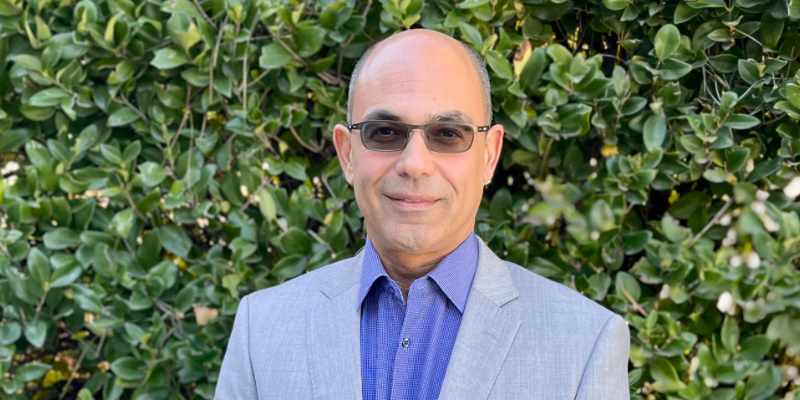
Dr. Arastou Aminzadeh or Dr. A as most teens refer to him, has been working in variety of clinical settings for the last 20 years. He is well respected nationally for his expertise in Addiction medicine and treating adolescents. Dr. A is a triple board certified physician in psychiatry, Child and Adolescent psychiatry and Addiction medicine.
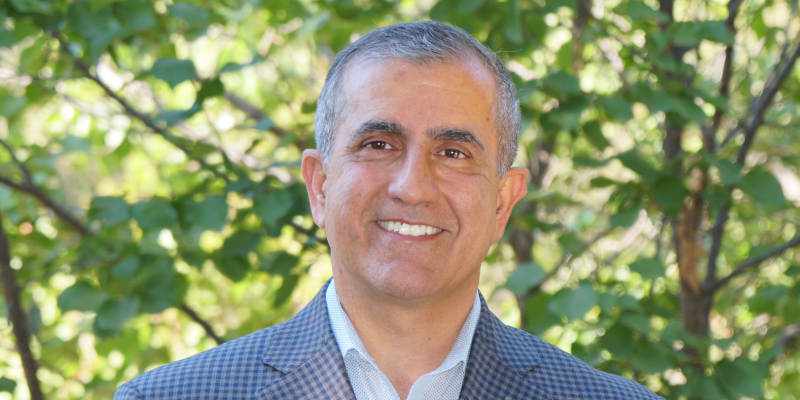
Dr. Oliver Ahmadpour is an adult and child psychiatrist with nearly four decades of experience in the field of medicine with an M.D. degree from Sweden, where he practiced as an Internal Medicine physician. In the U.S. he completed his Post-Doctoral Fellowship in Endocrinology at UCSD, and his Residency and Fellowship in Adult, Child, and adolescent Psychiatry at USC Keck School of Medicine.


We treat a wide range of teen mental health challenges including anxiety, depression, bipolar disorder, OCD, trauma-related disorders, behavioral issues, ADHD, oppositional defiance, substance use, and dual-diagnosis conditions. Many families come to BNI after struggling to find the right level of care elsewhere.
Most private insurance plans cover a significant portion of treatment. Our admissions team verifies benefits quickly and explains coverage, deductibles, and out-of-pocket expectations before admission. We do not accept Medi-Cal or Medicare.
Yes. Many families come to BNI with teens who have complex diagnoses, treatment-resistant depression, severe anxiety, self-harm history, or previous hospitalizations. Our clinical leadership regularly treats high-acuity cases and provides specialized expertise for them.
Absolutely. We use established, research-backed modalities including CBT, DBT, trauma-informed care, psychiatric medication management, experiential therapies, family systems work, and integrative approaches such as mindfulness, yoga, and expressive arts.
Our residential and outpatient programs are located in private, secure homes in Agoura Hills and Calabasas. These areas are known for their safety, privacy, and access to nature—ideal for focused healing and recovery.
Yes. BNI is trusted by the UCLA David Geffen School of Medicine as a training rotation site for physician fellows to learn best practices in adolescent mental health—an acknowledgment of our clinical quality and leadership in teen psychiatry.