Addiction takes over the body, but the downward spiral is typically due to changes in the brain. When recovery happens, the brain rewires for normalcy. …

Addiction takes over the body, but the downward spiral is typically due to changes in the brain. When recovery happens, the brain rewires for normalcy. But how long to rewire brain from addiction?

While rewiring is measurable, real, and possible, the timeline varies from the person to person. It is dependent on the substance, the duration of use, and biological factors. This article will review what happens during the recovery precess, so you know what to expact from your teen’s recovery journey.
While every drug works differently, most hijack the dopamine system. They trigger dopamine production at levels the brain wasn’t designed to handle. The brain’s reward system becomes activited, prompting the person to do the drug again.
In time, the brain adapts to operating at these higher dopamine levels. It reduces its ability to produce dopamine naturally, making it difficult to feel pleasure when drugs aren’t active in its system.
But it’s not only dopamine levels that have an addiction effect on the teen brain. Drugs also impact:
Addiction’s effects on brain chemistry are specially impactful for teens.
Teen brains are still in the development stages. In fact, the brain doesn’t fully develop until the mid-20s, and the last brain area to completely develop is the prefrontal cortex, which plays a key role in impulse control.
As a result, the brain is exceptionally plastic and more capable of learning and adaptation than the adult brain. That can be a good thing when we think of academic learning, but when it comes to drug abuse, teens are far more likely to develop substance use disorders. According to Drug Abuse Statistics, users who try drugs before age 15 are 6.5 times more ilkely to develop a drug addiction than those who wait until they are 21 or over.
Given that teen brains are still developing, the recovery process becomes more complex. Rather than simply constructing new neural pathways, it’s about completing development that was disrupted or distorted. While this can extend the process, it also means that teens are more likely to adapt to recovery and recover more completely.
When addiction recovery for teens occurs, individuals experience a process of brain rewiring, but what does that actually mean?
Brain recovery is largely tied to neuroplasticity, the brain’s ability to form new neural pathways, strengthen existing ones, and prune those that are no longer used. Drug change neural circuitry and learning, which is why addiction happens in the first place. But neuroplasticity also makes brain healing possible.
However, it is worth noting that the brain rewiring process does not bring the brain to its original state. It builds new pathways that become dominant. The old pathways fade over time, but they don’t disappear, which is why relapse is always a threat, especially in early recovery.
The recovery process can be divided into two stages: acute neurochemical recalibration and structural & functional rebuilding.
During the acute withdrawal phase, the brain struggles to restabilize after the drug is removed. Rather than forming new neural connections, It focuses on bleeding cessation, and withdrawal symptoms appear.
The structural stage is what people typically refer to when they talk about rewiring in addiction recovery, and it kicks in about 4-8 weeks into abstinence and can continue for months or years. Dopamine density recovers, the prefontal cortex rebuilds, and new cognitive and behavioral patters appear. These changes can be reinforced through therapy, routine, and experience.
While timelines can vary from person to person, they generally follow this pattern.
| Phase | Noticeable Symptoms | What’s Happening Neurologically |
| Days 1-4: Acute Withdrawal | Intense mood swings, changes in sleep patterns, reduced appetite, decreased cognitive function, strong cravings | Dopamine and stress systems destabilize, the brain scrambles, reduced prefrontal regulation |
| Weeks 2-8: Post Acute Withdrawal (High Relapse Risk) | Emotional flatness, low motivation and energy, sleep slowly stabilizes, occasional windows of calmness and clarity, cravings persist but are less constant | Dopamine receptors begin slow recovery, the brain’s reward system is still depleted, and neurochemical recalibration is underway |
| Months 3-6: Early neurological recovery | Return of interests in hobbies and social activities, more consistent sleep, increasing mood regulation, better memory and focus, and cravings are more manageable | Dopamine receptor density is measurably recovering, the prefrontal cortex is rebuilding regulatory capacity, and new cognitive pathways are beginning to form through therapy |
| 6 Months – 2 Years: Deeper repair | Notably improved emotional regulation, healthy peer relationships, growing sense of self, re-engagement in social activities | Gray matter volume recovers, positive behaviors become more automatic, brain development resumes alongside repair |
| 2+ Years: Stable recovery | Sustained ability to manage stress and difficult emotions, cravings are rare and less intense, clear sense of goals, relationships, and self, navigating major transitions with support, recovery feels integrated into identity | Brain significantly stabilized, development may be ongoing, neurological vulnerability remains, but is greatly diminished |
While the timeline mentioned above generally applies, several factors can prolong or reduce it. Here are some to consider.
The detox process can be challenging, but various healthy habits can assist with healing, as follows:
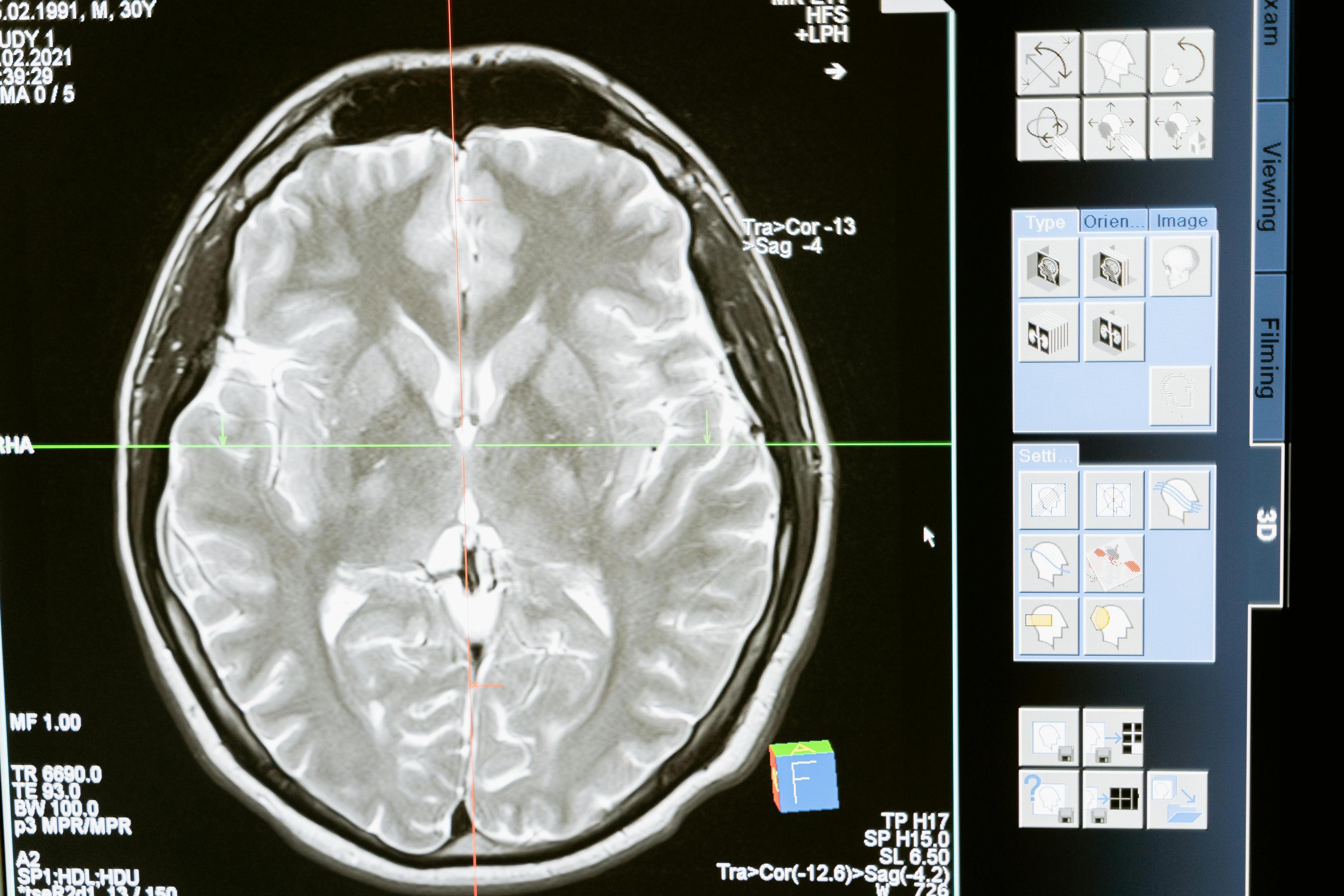
Because teen brains are developing, there are addicitonal risks in the recovery process, as follows:
Substance abuse is difficult to fight, but BNI will support your teen every step of the way. Our specialized approach meets teens where they are, promoting significant recovery. We provide a comprehensive addiction treatment program that guides adolescents from detox to sobriety and beyond.
Contact us to learn more about how we can help your child achieve lasting recovery.
The brain begins the rewiring process through neuroplasticity within the first few weeks of abstinence; significant structural and chemical normalization typically takes 3 to 12 months. However, timelines can vary depending on the substance, the duration of drug abuse, and biological factors.
Damage is a loaded word that doesn’t fully capture what happens to the teenage brain during addiction. While some changes are long-lasting, the neuroplasticity of teen brains also makes them more capable of structural reorganization. While recovery doesn’t restore a prior baseline, it can build new, healthy neural pathways.
Yes, therapy repeatedly activates the prefrontal cortex, teaching impulse control, which strengthens over time. Cognitive Behavioral Therapy (CBT) is particularly effective in addiction recovery as it helps individuals change negative thought patterns and develop healthier coping mechanisms, which can support the brain’s rewiring process.