Can a Teenager Have Borderline Personality Disorder? Borderline personality disorder (BPD) in teens is a complex mental health challenge that requires a multi-pronged treatment approach. …

Most Major Insurance Accepted Verify Benefits
BNI treatment’s ODD Treatment program combines evidence-based therapies such as CBT, DBT, behavior modification, and trauma-informed care to help teens gain control over their reactions, improve frustation tolerance, and develop healthier ways to communicate and cope.
Can a Teenager Have Borderline Personality Disorder? Borderline personality disorder (BPD) in teens is a complex mental health challenge that requires a multi-pronged treatment approach. …
Borderline personality disorder (BPD) in teens is a complex mental health challenge that requires a multi-pronged treatment approach.
Teens who struggle with BPD find themselves dealing with harsh symptoms that can disrupt many areas of their life. BPD features extreme emotions, intense fear of rejection, a distorted self-image, and trouble getting close to others. Self-harming behaviors are also common in this group.
BPD is a form of mental illness that is sometimes confused with bipolar disorder or some other mood disorder. What sets BPS apart is the very low level of self-worth that fuels the thought distortions and extreme behaviors.
Teens with BPD also struggle with their social life. The compulsive behaviors, mood swings, and outbursts can prevent the teen from forming lasting friendships. These traits can be off-putting to peers, who then distance themselves.
BPD is a “Cluster B” personality disorder that features erratic, and often dramatic displays of emotions. Beneath the surface are a very low sense of self-worth and an intense fear of being abandoned.
The over-the-top behaviors can cause disruption across a wide swath of the teen’s life. These teens have trouble making or keeping friends, and may engage in substance use disorder, risky actions, and compulsive shopping.
BPD can deeply affect those around the teen, such as family members or peers. The constant shifts in mood affect how they treat the people in their life, which can cause strained relationships. Even though they hold a deep fear of being abandoned, their actions end up driving people away from them. This becomes a self-fulfilling prophecy.
Research has yet to explain how BPD develops. However, there are some risk factors that may play a role. These include:
When BPD emerges it is best to address it as early as possible. If your teen is showing signs of BPD, make plans to meet with a mental health expert for timely treatment.
At first, when a teen shows signs of BPD, parents might dismiss the symptoms. This is because teenagers are routinely moody, angry, and insecure. Parents may believe the symptoms are within the range of normal teen behavior and not be too concerned. The symptoms then worsen to a point when the parent can no longer ignore the problem.
BPD is a hard mental health disorder to diagnose, and doctors use great caution when doing so. This is due to the overlap of its symptoms with other mental health conditions, such as depression, bipolar, and anxiety. Even the effects of a substance use disorder can be similar to BPD.
Each teen presenting with BPD may have a different cluster of symptoms. The symptoms of BPD may include:
When a teen is first diagnosed with BPD, the treatment route will usually start with outpatient services. These treatments help him or her better manage their emotions, such as psychotherapy, joining a support group, and meds. For some teens, outpatient treatment may offer solutions that help them function better at school and at home.
Some teens with BPD, however, have a much tougher path. Living with BPD becomes so hard that a very high number of these teens will attempt suicide, with 10% succeeding. For teens with severe BPD, a residential mental health treatment program provides the best level of care.
Teen residential treatment programs offer a much more tailored and intensive approach to addressing BPD. These programs provide 24-hour support and monitoring, which is important for a teen with suicidal ideation. The treatment elements are designed to help the teen recognize triggers and then learn ways to manage responses.
BPD treatment includes:
Learning ways to treat and manage borderline personality disorder is essential for adolescents to achieve a satisfying and productive life.
BNI Treatment Centers is a residential treatment program for teens with mental health challenges. Our program offers decades of experience with teen mental health treatment, including BPD. If your teen struggles with BPD, reach out to our team today at (888) 522-1504.

Dr. Arastou Aminzadeh or Dr. A as most teens refer to him, has been working in variety of clinical settings for the last 20 years. He is well respected nationally for his expertise in Addiction medicine and treating adolescents. Dr. A is a triple board certified physician in psychiatry, Child and Adolescent psychiatry and Addiction medicine.
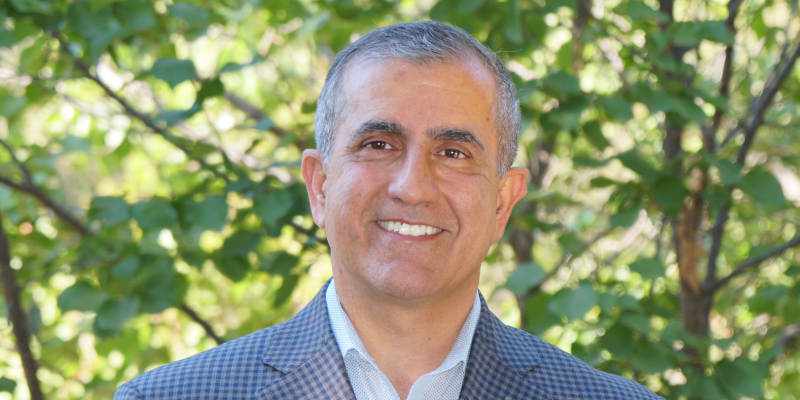
Dr. Oliver Ahmadpour is an adult and child psychiatrist with nearly four decades of experience in the field of medicine with an M.D. degree from Sweden, where he practiced as an Internal Medicine physician. In the U.S. he completed his Post-Doctoral Fellowship in Endocrinology at UCSD, and his Residency and Fellowship in Adult, Child, and adolescent Psychiatry at USC Keck School of Medicine.


We treat a wide range of teen mental health challenges including anxiety, depression, bipolar disorder, OCD, trauma-related disorders, behavioral issues, ADHD, oppositional defiance, substance use, and dual-diagnosis conditions. Many families come to BNI after struggling to find the right level of care elsewhere.
Most private insurance plans cover a significant portion of treatment. Our admissions team verifies benefits quickly and explains coverage, deductibles, and out-of-pocket expectations before admission. We do not accept Medi-Cal or Medicare.
Yes. Many families come to BNI with teens who have complex diagnoses, treatment-resistant depression, severe anxiety, self-harm history, or previous hospitalizations. Our clinical leadership regularly treats high-acuity cases and provides specialized expertise for them.
Absolutely. We use established, research-backed modalities including CBT, DBT, trauma-informed care, psychiatric medication management, experiential therapies, family systems work, and integrative approaches such as mindfulness, yoga, and expressive arts.
Our residential and outpatient programs are located in private, secure homes in Agoura Hills and Calabasas. These areas are known for their safety, privacy, and access to nature—ideal for focused healing and recovery.
Yes. BNI is trusted by the UCLA David Geffen School of Medicine as a training rotation site for physician fellows to learn best practices in adolescent mental health—an acknowledgment of our clinical quality and leadership in teen psychiatry.