Teen Substance Abuse Treatment: What Parents Should Know
BNI treatment’s ODD Treatment program combines evidence-based therapies such as CBT, DBT, behavior modification, and trauma-informed care to help teens gain control over their reactions, improve frustation tolerance, and develop healthier ways to communicate and cope.
Parents of teens with substance use disorders need to know how treatment works in terms of levels of care, treatment approaches, and the facility's credentials. …
Parents of teens with substance use disorders need to know how treatment works in terms of levels of care, treatment approaches, and the facility’s credentials. This article explains all aspects of teen substance abuse treatment and BNI Treatment’s unique approach.
Key Takeaways
Various behavioral, psychological, and physical signs indicate your teen may require substance use treatment.
Substance use treatment typically spans multiple levels of care and integrates evidence-based treatment approaches.
Finding the right facility means looking for licensing, credentials, specialized care suited to teen needs, and cost and insurance considerations.
Parents who discover their child has a substance use disorder may find themselves in uncharted territory, wondering where to begin. Fortunately, recovery is possible, and help is available. Many treatment centers offer specialized programs that meet adolescent needs.
Not all teen addiction treatment centers are created equal, but this article will discuss what to look for, ensuring you find one suited to your child’s needs.
What Do I Need to Know About Teen Substance Abuse?
Parents need to understand the types of substances often misused by teens and why addiction occurs.
Prescription Medications: Teens may have access to prescription drugs, whether they are misusing their own prescriptions, passing them out to friend groups, or finding them in their family medicine cabinets. Drugs of choice commonly include stimulants (prescribed for ADHD), opioid painkillers, and sedatives.
Opioids, Stimulants, and Other Substances: The same NIDA study reveals opioid and stimulant use is less common for teens, but it still occurs. In 2025, past-year heroin use was reported by 0.5% of 8th graders, 0.5% of 10th graders, and 0.9% of 12th graders. Cocaine use was 0.6%, 0.7%, and 1.4%.
Why Does Teen Drug Use Occur?
Teen drug use is mainly attributed to the teen’s developing brain, peer pressure, and stress.
Brain Development: Teens’ brains are still developing, especially in the prefrontal cortex, the part of the brain responsible for impulse control. As a result, teens are more drawn to novelty and reward and may be less able to weigh long-term consequences.
Peer Pressure: Teens may do drugs to keep up with peers and socialize.
Stress: Teens deal with a lot of stress tied to academic pressure and social media comparisons. They may turn to drug and alcohol use for emotional regulation.
How Can I Tell If My Teen Has a Substance Use Disorder?
Various behavioral, physical, and emotional signs indicate your child may have a drug abuse issue. Here are some to look out for.
Behavioral changes
Secrecy, lying, or sudden privacy demands
Changes in friend groups
Breaking curfew or sneaking out
Missing money or valuables
Losing interest in activities they used to enjoy
Physical signs
Bloodshot eyes, or dilated or constricted pupils
Changes in sleep, appetite, or weight
Poor hygiene or appearance
Unusual smells on breath, clothes, or in the bedroom
Emotional and psychological signs
Mood swings, irritability, or aggression
Anxiety, depression, or withdrawal from family
Sudden changes in motivation or energy
School and social signs
Dropping grades, skipping class, or discipline problems
Trouble with friends, teachers, or the law
Some teens experiment, but a cluster of symptoms that don’t seem to resolve could indicate that treatment is necessary.
What Are the Levels of Teen Substance Use Treatment?
Teen treatment centers typically offer various levels of care that meet teens where they are on the recovery spectrum. Each level can be a primary form of care or a step up or down from a previous level. BNI Treatment Centers offer the following levels:
Medical Detox/Acute Stabilization: Teens with severe drug addiction and those in crisis mode may require stabilization, preparing them for rehab.
Residential Treatment: Involves 24/7 oversight; teens live in the facility for as long as clinically needed to address substance use and mental health issues. Academic support is included.
Partial Hospitalization: A full-time approach to structured support; teens attend therapy sessions for several hours a day, several days a week. BNI’s partial hospitalization program typically offers treatment five hours a day, six days a week.
Intensive Outpatient Program (IOP): Involves shorter sessions. BNI’s IOP runs three hours a day, 3-5 days a week, and can be scheduled around school and other activities. Discharge planning is part of the program, ensuring teens get the comprehensive support they require.
The appropriate level of care is determined through a thorough assessment process. BNI offers an assessment clinic track that evaluates each client’s mental and physical health, with ongoing monitoring throughout care to ensure your child is matched to the right treatment approach and intensity.
What Therapies and Approaches Are Used in Teen Treatment?
Common therapies in teen treatment include family therapy, group therapy, individual therapy, holistic approaches, and dual diagnosis treatment.
Family Therapy Sessions: Family involvement is a particularly important part of youth treatment. NIDA notes that involving a family member can strengthen and extend treatment benefits.
Individual Therapy: Teens work one-on-one with therapists to develop a plan suited to their needs, goals, and lifestyle. Evidence-based treatments, such as cognitive behavioral therapy, dialectical behavior therapy, motivational interviewing, and contingency management, are often integrated.
Group Therapy: Teens are strongly influenced by their peers, making group therapy valuable in improving treatment outcomes. Group members learn from their peers, reducing feelings of isolation.
Holistic Approaches: BNI integrates holistic approaches, such as surf therapy, equine therapy, art therapy, music/dance therapy, psychodrama/drama therapy, yoga/meditation, integrated body psychotherapy, and mindfulness-based cognitive therapy into substance abuse treatment, taking a whole-person approach.
What Should I Look For In a Teen Substance Abuse Program?
Parents looking for a teen substance abuse program should consider licensing, accreditation, staff credentials, treatment approaches, levels of care, dual diagnosis care, family involvement, a specialized approach, and aftercare planning. Cost and insurance are also key considerations.
Licensing and Accreditation: All facilities must hold a license in the state in which they operate. For example, BNI holds a license under the California Department of Social Services, Community Care Licensing Division. Accreditation, such as the Joint Commission or CARF, is optional and shows that the facility holds itself to high standards of clinical excellence.
Staff Credentials: The facility should employ licensed staff, contributing to a multidisciplinary team and high staff-to-client ratios.
Treatment Approaches: The center should offer evidence-based treatments that contribute to successful clinical outcomes.
Levels of Care: These ensure care is personalized and comprehensive.
Dual Diagnosis Treatment: Given the prevalence of mental health challenges among teens, a dual diagnosis approach is essential. It addresses mental health and substance abuse simultaneously, ensuring clinical needs are met.
Family Involvement: With family involvement being a critical part of the treatment process, it should be a core component of care.
Aftercare Planning: This is especially important in school re-integration, but can be valuable in all aspects of life.
Specialized Treatment: Programs should meet teens’ needs based on their developmental stage and unique stressors.
Cost and Insurance: Many private plans cover adolescent substance use treatment, but coverage varies by plan and provider. Reputable treatment centers, like BNI, can verify your insurance before you commit to a program, so you know what’s covered and what you’ll pay out of pocket.
Get Started at BNI Treatment Centers of Los Angeles
Finding the right treatment center for your teen is easier when you start with a reputable provider like BNI Treatment Center. We offer a range of treatments across multiple levels of care, ensuring a personalized, comprehensive approach. Our academic support helps teens keep up with their schoolwork, while our assessment clinic track matches them with the appropriate level of care as needs evolve.
Contact us to learn more about our extensive program.
FAQs
How long does teen substance abuse treatment last?
There’s no set length for teen substance abuse treatment. It depends on the level of care and how the teen responds.
How do I know if my teen needs substance abuse treatment?
Changes in behavior, mood, friends, and school performance that last over time indicate your teen may require substance abuse treatment. If you’re seeing several of these signs, an assessment can help you decide what to do next.
How do I know which level of care my teen needs?
A clinical assessment can determine the appropriate level of care by evaluating how severe the use is, whether there are mental health concerns, and how supportive the home environment is. The recommended level can change as your teen progresses.
Will my teen fall behind in school during treatment?
Many teen programs include academic support so students can keep up with schoolwork. Ask any program how it coordinates with your teen’s school.
What role does family play in my teen’s treatment?
Family members are often included in therapy sessions so they can learn more about their teen’s substance use and mental health issues and ensure they provide a supportive environment.
Hartnett, D., Carr, A., Hamilton, E., O’Reilly, G. The Effectiveness of Functional Family Therapy for Adolescent Behavioral and Substance Misuse Problems: A Meta-Analysis. Family Process. https://doi.org/10.1111/famp.12256
Esteban, et al. Effects of family therapy for substance abuse: A systematic review of recent research. Family Process. https://doi.org/10.1111/famp.12841
Passetti, L. L., Godley, M. D., Kaminer, Y. Continuing care for adolescents in treatment for substance use disorders. Child and Adolescent Psychiatric Clinics of North America, via PubMed Central (NIH). https://pmc.ncbi.nlm.nih.gov/articles/PMC5018300
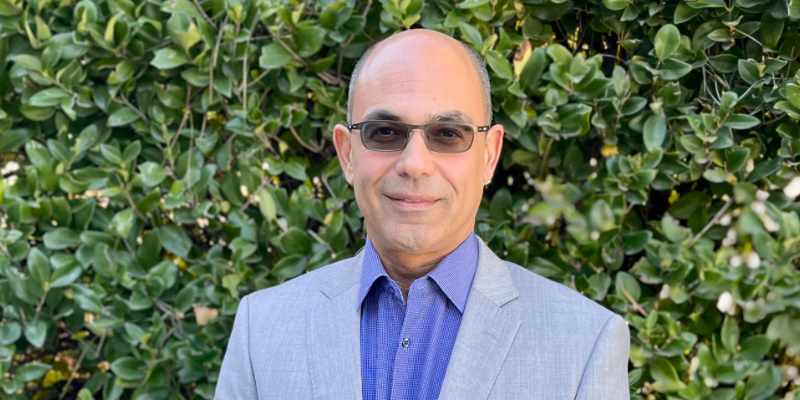
Dr. Arastou Aminzadeh or Dr. A as most teens refer to him, has been working in variety of clinical settings for the last 20 years. He is well respected nationally for his expertise in Addiction medicine and treating adolescents. Dr. A is a triple board certified physician in psychiatry, Child and Adolescent psychiatry and Addiction medicine.
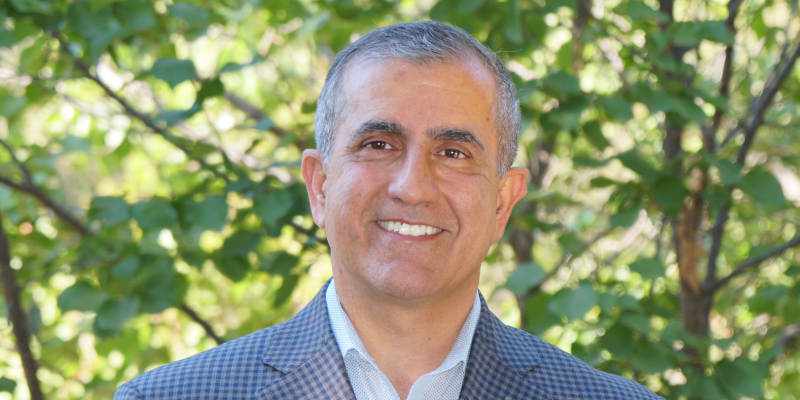
Dr. Oliver Ahmadpour is an adult and child psychiatrist with nearly four decades of experience in the field of medicine with an M.D. degree from Sweden, where he practiced as an Internal Medicine physician. In the U.S. he completed his Post-Doctoral Fellowship in Endocrinology at UCSD, and his Residency and Fellowship in Adult, Child, and adolescent Psychiatry at USC Keck School of Medicine.
Most major health insurance plans will help cover up to 100% of the cost of treatment at our program. Find out your teen's coverage & treatment options right now.
We treat a wide range of teen mental health challenges including anxiety, depression, bipolar disorder, OCD, trauma-related disorders, behavioral issues, ADHD, oppositional defiance, substance use, and dual-diagnosis conditions. Many families come to BNI after struggling to find the right level of care elsewhere.
Most private insurance plans cover a significant portion of treatment. Our admissions team verifies benefits quickly and explains coverage, deductibles, and out-of-pocket expectations before admission. We do not accept Medi-Cal or Medicare.
Yes. Many families come to BNI with teens who have complex diagnoses, treatment-resistant depression, severe anxiety, self-harm history, or previous hospitalizations. Our clinical leadership regularly treats high-acuity cases and provides specialized expertise for them.
Absolutely. We use established, research-backed modalities including CBT, DBT, trauma-informed care, psychiatric medication management, experiential therapies, family systems work, and integrative approaches such as mindfulness, yoga, and expressive arts.
Our residential and outpatient programs are located in private, secure homes in Agoura Hills and Calabasas. These areas are known for their safety, privacy, and access to nature—ideal for focused healing and recovery.
Yes. BNI is trusted by the UCLA David Geffen School of Medicine as a training rotation site for physician fellows to learn best practices in adolescent mental health—an acknowledgment of our clinical quality and leadership in teen psychiatry.
What We Treat
Primary Mental Health
Primary Mental Health
Our primary mental health program offers an integrative wellness model that offers high-quality treatment designed for success.