What is ADD Like For Teens? If your teen appears to lack focus, seems easily distracted, and struggles with school they may have a disorder …

Most Major Insurance Accepted Verify Benefits
What is ADD Like For Teens? If your teen appears to lack focus, seems easily distracted, and struggles with school they may have a disorder …
If your teen appears to lack focus, seems easily distracted, and struggles with school they may have a disorder called ADHD. Keep reading to learn what the signs of ADD in a teenager look like.
Teens with attention deficit disorder (ADD), also called inattentive-type ADHD, may at first seem to be just a bit distracted. In fact, ADD in teens is often missed because it lacks the more obvious signs of hyperactivity.
Because of the symptoms, the area of life most impacted by teenage ADD is their school life. These teens struggle academically because of this disorder. Learning what the signs of ADD in a teenager are can help parents get timely help for their child. Read on!
Many people still use the terms ADD and ADHD interchangeably. In recent years, though, most kids, teens, and adults with an attention disorder are classified as ADHD. Among those with this diagnosis, there are features. What was once referred to as ADD is now called ADHD, inattentive type, or ADHD without the hyperactivity feature.
This simply means that most of the symptoms are the same, with the main difference being a lack of the features of hyperactive behaviors. Those with ADHD, inattentive type, struggle mostly with staying focused, concentrating, and completing tasks.
ADHD, either type, affects about 6%-7% of kids under the age of 18 and impacts nearly three times as many boys than girls. Roughly 3% of them will then carry the ADHD into adulthood.
Without the symptoms associated with hyperactive behaviors, teens with ADD may seem to be lazy daydreamers. They aren’t disruptive like the classic ADHD diagnosis, so they may appear to have their heads off in the clouds. Here are the signs of ADD in a teenager:
Teens that struggle with ADD or ADHD often have a co-occurring mental health challenge. This might be a learning disability, depression, anxiety, conduct disorder, or oppositional defiant disorder.
While ADD may present some challenges to a teen, there are some actions that can help improve functioning. These include:
Parents may not know which way to turn with it comes to their ADHD or ADD teen. They want to help their child cope better, especially at school, but may not know how to do that.
Teens with ADHD will benefit from therapy and medication. CBT teaches teen how to modify their behaviors by making better choices. Drugs such as Ritalin or Vyvanse can be helpful in reducing the symptoms of inattention. Healthy habits can amplify the improved brain functioning achieve through medication and therapy.
For teens who have co-occurring mental health disorders, there may be a need for a more intensive treatment approach. If this is the case, a residential treatment program for teens with ADD can provide this level of care.
BNI Treatment Centers provides teen-centered treatment for mental health disorders, including conditions like ADHD. If you have any questions about our residential program, please call us today at (888) 522-1504.

Dr. Arastou Aminzadeh or Dr. A as most teens refer to him, has been working in variety of clinical settings for the last 20 years. He is well respected nationally for his expertise in Addiction medicine and treating adolescents. Dr. A is a triple board certified physician in psychiatry, Child and Adolescent psychiatry and Addiction medicine.
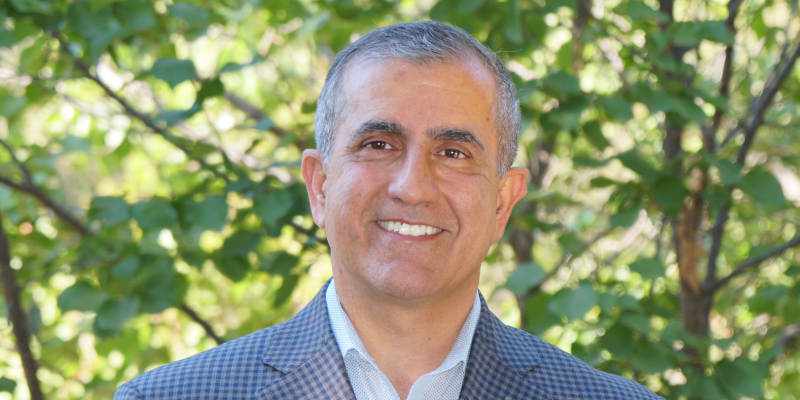
Dr. Oliver Ahmadpour is an adult and child psychiatrist with nearly four decades of experience in the field of medicine with an M.D. degree from Sweden, where he practiced as an Internal Medicine physician. In the U.S. he completed his Post-Doctoral Fellowship in Endocrinology at UCSD, and his Residency and Fellowship in Adult, Child, and adolescent Psychiatry at USC Keck School of Medicine.


We treat a wide range of teen mental health challenges including anxiety, depression, bipolar disorder, OCD, trauma-related disorders, behavioral issues, ADHD, oppositional defiance, substance use, and dual-diagnosis conditions. Many families come to BNI after struggling to find the right level of care elsewhere.
Most private insurance plans cover a significant portion of treatment. Our admissions team verifies benefits quickly and explains coverage, deductibles, and out-of-pocket expectations before admission. We do not accept Medi-Cal or Medicare.
Yes. Many families come to BNI with teens who have complex diagnoses, treatment-resistant depression, severe anxiety, self-harm history, or previous hospitalizations. Our clinical leadership regularly treats high-acuity cases and provides specialized expertise for them.
Absolutely. We use established, research-backed modalities including CBT, DBT, trauma-informed care, psychiatric medication management, experiential therapies, family systems work, and integrative approaches such as mindfulness, yoga, and expressive arts.
Our residential and outpatient programs are located in private, secure homes in Agoura Hills and Calabasas. These areas are known for their safety, privacy, and access to nature—ideal for focused healing and recovery.
Yes. BNI is trusted by the UCLA David Geffen School of Medicine as a training rotation site for physician fellows to learn best practices in adolescent mental health—an acknowledgment of our clinical quality and leadership in teen psychiatry.