As difficult as the stay-at-home orders have been for adults to handle, imagine how awful it has been for teens. Adults, at least, have maturity …

Most Major Insurance Accepted Verify Benefits
BNI treatment’s ODD Treatment program combines evidence-based therapies such as CBT, DBT, behavior modification, and trauma-informed care to help teens gain control over their reactions, improve frustation tolerance, and develop healthier ways to communicate and cope.
As difficult as the stay-at-home orders have been for adults to handle, imagine how awful it has been for teens. Adults, at least, have maturity …
As difficult as the stay-at-home orders have been for adults to handle, imagine how awful it has been for teens.
Adults, at least, have maturity on their side. Adults have learned over the years how to manage adversity or overcome life’s many surprising setbacks. Teenagers, on the other hand do not have any real experience managing such immense changes in daily life and routines caused by the coronavirus crisis. The coronavirus has kept teens at home for months now, upsetting their entire social ecosystem.
All of us have built up a certain reservoir for dealing with upsetting events or disappointment. Resilience is not uniform across the human spectrum, as some people are highly resilient in the fact of challenges or uncertainty, where others get stuck in the psychological mud, unable to move through a setback. Teens are no different. They each have their own personality traits and temperament that dictates to a large extent just how resilient they will be—especially with coronavirus sticking teens at home 24/7 with their parents and siblings.
As the weeks morph into months, there is no doubt that parents have noticed their adolescents wearing ragged around the edges. These distress signs show up in many different ways, such as moodiness, irritability, angry outbursts, loss of appetite or weight gain, sleep issues, and apathy. Mental health among teens in 2020 is definitely being adversely impacted the longer the pandemic upends their worlds. Many teenagers have missed out on rites of passage that they have been looking forward to for years, such as going to senior prom, graduation ceremonies, or Grad Nite celebrations. These losses are substantial and real, and can spark depressive symptoms.
While parents of teens stuck at home during coronavirus will attest, it has not been easy to assuage their teenager’s sense of loss and disappointment as the weeks that mark the end of the school year pass. As surly as a teen might be right now, and difficult to live with, parents get it.
Not all teens are struggling through the stay-at-home policies. Some kids might actually be enjoying a break from all the social drama and peer pressure, and are content to hang out with their folks more. Much of it comes down to the teen’s own temperament, how close they are to their parents, their level of social skills, and natural resilience level.
However, there are many teens that are acting out behaviorally as a way of demonstrating their growing impatience with what had begun as a novel life experience. They are over it. Parents may notice the following behaviors:
Parents are tasked with identifying any signs of emotional distress in their teens, which can cause anxiety in parents. According to Nicholas Hatzis, M.D. and child and adolescent psychiatrist at the Ann and Robert H. Lurie Children’s Hospital of Chicago, “They should acknowledge the anxiety teens and young adults are feeling and have an open and honest discussion about the struggles they are facing.” Communication is especially crucial during this time.
While most teenagers will experience phases of anxiety associated with typical stressors, when intense fear and worry begin to impair their daily functioning they may have an anxiety disorder. Some signs of an anxiety disorder might include obsessive thoughts and compulsive acts, panic attacks, unreasonable fear of a person, place or thing, being frozen due to fear-based memories of a traumatic event, avoidance of social events or interactions. Teen anxiety can be the result of brain chemistry imbalance, past abuse or trauma, a sense of powerlessness, hormonal shifts, social pressures, and genetics. In recent times, the fear revolving around the coronavirus and all the uncertainty it is causing is also a reason for developing an anxiety disorder.
Symptoms of teen anxiety:
Depression is diagnosed when a teen has been plagued with a cluster of symptoms for most of the time over a two-week duration. Depression is a serious mental health disorder and should always be taken seriously, especially at a time when suicide rates are soaring among young people. If the teen exhibits several of these symptoms, a medical doctor and a mental health specialist should evaluate him or her.
Symptoms of Teen Depression:
Parents can provide some helpful tips for guiding their teenager through this historic episode. By suggesting some healthy activities that improve mental wellness and sense of worth, parents can be instrumental in leaving a positive mark on the whole experience.
Consider these 5 Tips to help Teens Improve Mental Health:
If a teen is exhibiting signs and symptoms of a mental health condition, it is essential to get them help in a timely manner. Most primary care physicians are available to conduct a physical examination to make sure there isn’t a medical problem causing the symptoms. If not, then he or she can refer the teen to a psychotherapist who can conduct online outpatient therapy sessions.
A residential teen mental health program offers a higher level of care and can also provide acute stabilization in the event of a crisis situation. The teen would reside at the facility for several weeks to receive specialized care for their particular diagnosis. This targeted, intensive treatment is sometimes the best approach for teens that are in crisis.
Treatment will include:
Acute stabilization: If the teen is in crisis, such as experiencing a psychiatric event or a suicide attempt, an inpatient setting provides the 24-hour monitoring and support to stabilize them. Stabilization will involve a review of any current medications and any relevant information regarding the acute event.
Medical detoxification: For teens with co-occurring addiction or substance abuse issues, the residential setting can provide a safe, medical detox that is monitored throughout. Withdrawal symptoms will be carefully managed and psychological support is provided.
Psychotherapy: Individual and group therapy is the central treatment element, using evidence-based approaches such as:
Complementary therapies: Such as surf therapy, equine therapy, psychodrama therapy, art therapy, yoga, and mindfulness meditation.
BNI Treatment Centers provides a multi-disciplinary and customized approach to treating teens in the Los Angeles region. BNI Treatment Centers was founded by, and is operated by, two psychiatrists with decades of experience treating adolescents aged 12-17 in a teen treatment center who have a deep understanding of the unique intricacies involved in helping this age group. For more information about our program, please contact BNI Treatment Centers today at (888) 522-1504.

Dr. Arastou Aminzadeh or Dr. A as most teens refer to him, has been working in variety of clinical settings for the last 20 years. He is well respected nationally for his expertise in Addiction medicine and treating adolescents. Dr. A is a triple board certified physician in psychiatry, Child and Adolescent psychiatry and Addiction medicine.
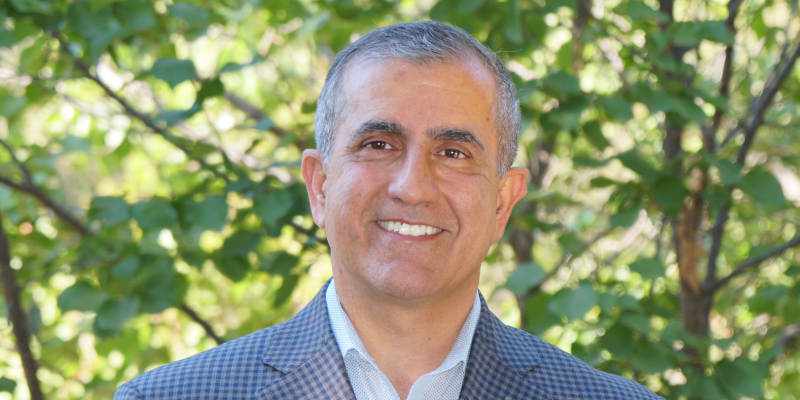
Dr. Oliver Ahmadpour is an adult and child psychiatrist with nearly four decades of experience in the field of medicine with an M.D. degree from Sweden, where he practiced as an Internal Medicine physician. In the U.S. he completed his Post-Doctoral Fellowship in Endocrinology at UCSD, and his Residency and Fellowship in Adult, Child, and adolescent Psychiatry at USC Keck School of Medicine.


We treat a wide range of teen mental health challenges including anxiety, depression, bipolar disorder, OCD, trauma-related disorders, behavioral issues, ADHD, oppositional defiance, substance use, and dual-diagnosis conditions. Many families come to BNI after struggling to find the right level of care elsewhere.
Most private insurance plans cover a significant portion of treatment. Our admissions team verifies benefits quickly and explains coverage, deductibles, and out-of-pocket expectations before admission. We do not accept Medi-Cal or Medicare.
Yes. Many families come to BNI with teens who have complex diagnoses, treatment-resistant depression, severe anxiety, self-harm history, or previous hospitalizations. Our clinical leadership regularly treats high-acuity cases and provides specialized expertise for them.
Absolutely. We use established, research-backed modalities including CBT, DBT, trauma-informed care, psychiatric medication management, experiential therapies, family systems work, and integrative approaches such as mindfulness, yoga, and expressive arts.
Our residential and outpatient programs are located in private, secure homes in Agoura Hills and Calabasas. These areas are known for their safety, privacy, and access to nature—ideal for focused healing and recovery.
Yes. BNI is trusted by the UCLA David Geffen School of Medicine as a training rotation site for physician fellows to learn best practices in adolescent mental health—an acknowledgment of our clinical quality and leadership in teen psychiatry.