All parents want their kids to be happy and confident and able to function normally in most situations. Of course as adults we all remember …

Most Major Insurance Accepted Verify Benefits
BNI treatment’s ODD Treatment program combines evidence-based therapies such as CBT, DBT, behavior modification, and trauma-informed care to help teens gain control over their reactions, improve frustation tolerance, and develop healthier ways to communicate and cope.
All parents want their kids to be happy and confident and able to function normally in most situations. Of course as adults we all remember …
All parents want their kids to be happy and confident and able to function normally in most situations. Of course as adults we all remember the horror of having to stand before the class and deliver a book report, recite a poem, or try out for choir, cheerleading, or a sport. We know full well how frightening it is to give a speech with a sea of eyes watching every word you utter. So, when our teens persistently express their fears regarding situations at school that they perceive as so threatening to their confidence or self-esteem that they want to avoid them at all costs, this may be a warning that they are suffering from social anxiety.
By nature, adolescents are hypersensitive to criticism or any whiff of being judged. But for teens with social anxiety, that sensitivity is heightened to a point that the disorder can interfere with many aspects of life, including their academic performance, social development, and interpersonal relationships. This culminates in avoidance of any social situation that they think could result in public humiliation or shaming. When forced to participate they may break out in a sweat, begin to hyperventilate or shake. Understanding how this disorder can impact their lives is a good reason to seek out treatment for social anxiety in teens.
Social anxiety is different from the normal occasions of worry that one might experience before a stressful situation. Instead, social anxiety is the expression of intense fear and anxiety about being in a social situation where they feel they may be harshly judged, or in which they will feel incompetent or inadequate. At the core of social anxiety is a fear of rejection. As a result of this excessive fear, the teen will avoid all social scenarios where there they may be judged. This includes skipping school when they are to give an oral presentation or perform in some way.
Parents usually sense when something has changed in their teen. Some kids may have always been extremely shy and withdrawn; it is just their personality. These kids become adolescents and the fears of social interaction may naturally become enhanced as bullying and criticism are pervasive. For these teens that have always been very shy anyway, the help of a therapist might provide needed support and coping tools for them as they navigate their teen years into adulthood.
However, when a teen that has never been particularly shy suddenly begins to exhibit the signs of social anxiety, these changes may indicate social anxiety disorder. Treatment for social anxiety in teens usually involves regular psychotherapy, including role playing, cognitive behavioral therapy, and possibly medication to help ease the symptoms. Teens with social anxiety need help to be able to make the most of their teen years and to reach their academic potential.
There are some clear warning signs that a teen may be struggling with social anxiety. When the symptoms persist for six months or more, they meet the diagnostic criteria for social anxiety:
Treatment for social anxiety in teens may initially be accessed through a primary care provider. The doctor will first want to determine if any health conditions may be at the bottom of the anxiety symptoms, so a physical exam and lab work is usually the first step.
If there is no medical link to the symptoms, the physician is likely to refer the teen to a psychiatrist or therapist who can provide psychotherapy.
However, if regular outpatient therapy with or without medication has not led to an improvement in symptoms, the teen may benefit from a residential program where a more comprehensive teen anxiety treatment approach is available.
Psychotherapies that benefit social anxiety in teens includes cognitive behavioral therapy, which helps challenge the distortions in thought patterns that keep the teen captive in exaggerated worry and isolating behaviors. Also, social effectiveness therapy can help teens by using exposure therapy techniques as well as group social skills training and role-playing exercises.
BNI Treatment is a premier residential mental health treatment center for teens aged 12-17 in Los Angeles, California. For teens suffering with intensifying social anxiety, an inpatient program can provide the safe, stress-free space needed for intensive therapy and healing. BNI Treatment accesses a broad menu of traditional psychotherapies and experiential therapies to help teens overcome social anxiety disorder. For more information, please contact BNI Treatment Centers today at (888) 522-1504.

Dr. Arastou Aminzadeh or Dr. A as most teens refer to him, has been working in variety of clinical settings for the last 20 years. He is well respected nationally for his expertise in Addiction medicine and treating adolescents. Dr. A is a triple board certified physician in psychiatry, Child and Adolescent psychiatry and Addiction medicine.
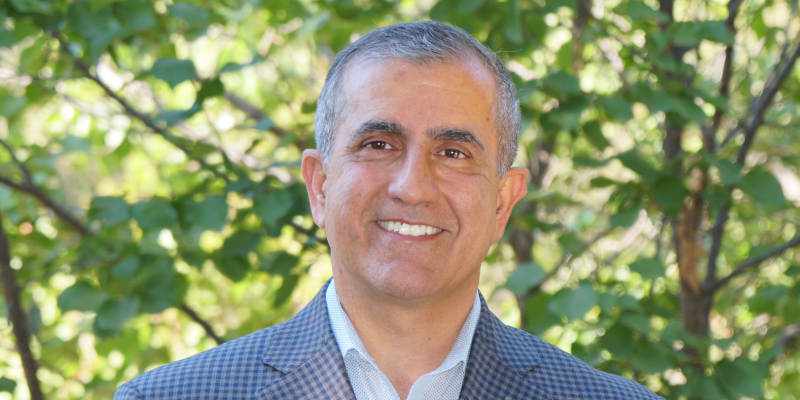
Dr. Oliver Ahmadpour is an adult and child psychiatrist with nearly four decades of experience in the field of medicine with an M.D. degree from Sweden, where he practiced as an Internal Medicine physician. In the U.S. he completed his Post-Doctoral Fellowship in Endocrinology at UCSD, and his Residency and Fellowship in Adult, Child, and adolescent Psychiatry at USC Keck School of Medicine.


We treat a wide range of teen mental health challenges including anxiety, depression, bipolar disorder, OCD, trauma-related disorders, behavioral issues, ADHD, oppositional defiance, substance use, and dual-diagnosis conditions. Many families come to BNI after struggling to find the right level of care elsewhere.
Most private insurance plans cover a significant portion of treatment. Our admissions team verifies benefits quickly and explains coverage, deductibles, and out-of-pocket expectations before admission. We do not accept Medi-Cal or Medicare.
Yes. Many families come to BNI with teens who have complex diagnoses, treatment-resistant depression, severe anxiety, self-harm history, or previous hospitalizations. Our clinical leadership regularly treats high-acuity cases and provides specialized expertise for them.
Absolutely. We use established, research-backed modalities including CBT, DBT, trauma-informed care, psychiatric medication management, experiential therapies, family systems work, and integrative approaches such as mindfulness, yoga, and expressive arts.
Our residential and outpatient programs are located in private, secure homes in Agoura Hills and Calabasas. These areas are known for their safety, privacy, and access to nature—ideal for focused healing and recovery.
Yes. BNI is trusted by the UCLA David Geffen School of Medicine as a training rotation site for physician fellows to learn best practices in adolescent mental health—an acknowledgment of our clinical quality and leadership in teen psychiatry.