How To Know if a Teen is Smoking Learn the signs of your teenager smoking cigarettes so you can guide them away from this dangerous …

Most Major Insurance Accepted Verify Benefits
BNI treatment’s ODD Treatment program combines evidence-based therapies such as CBT, DBT, behavior modification, and trauma-informed care to help teens gain control over their reactions, improve frustation tolerance, and develop healthier ways to communicate and cope.
How To Know if a Teen is Smoking Learn the signs of your teenager smoking cigarettes so you can guide them away from this dangerous …
Learn the signs of your teenager smoking cigarettes so you can guide them away from this dangerous habit early on.
Did you know that 90% of smokers begin using tobacco before the age of 19? It is a fact that most smokers start smoking cigarettes between the ages of 13-18. For this reason, it is good for parents to be on the lookout for signs their teen has started smoking. By staying on top of this, parents can guide their child away from acquiring a deadly habit.
There is good reason for parents to be concerned about their teen smoking cigarettes. Ample research has shown for decades just how risky smoking is to our health. The CDC reports that smoking is the leading cause of preventable disease and death in the U.S., Their data show that 480,000 deaths each year are related to smoking.
The adverse effects of smoking are cumulative. The health risks are well known with data that confirms how smoking can harm every organ in the body. Over an extended time, the damage compounds and can cause these long-term effects:
There are some telling data about the risk of becoming addicted to smoking. A study from UCSF showed that even just five cigarettes a day could cause a dopamine response in the brain. The study groups were shown images of cigarettes and images of pens, followed by an MRI.
The scans showed the smokers’ brains light up along neural pathways related to dopamine-releasing regions when viewing the cigarettes. In the nonsmoker group, this did not occur. This suggests that even a few cigarettes a day can start the addiction cycle in the brain.
We can all recall how important it is to look “cool” during the teen years. The way that smoking is portrayed, as a cool adult behavior, can influence a teen to begin smoking. Also, peer pressure plays an outsize role in the choice to partake in smoking. Some teens may even smoke in hopes of controlling their weight.
Certain factors can increase the risk of teen smoking. These include:
Cigarettes are not the only way that nicotine is delivered. Vaping has increased exponentially in recent years, causing teen cigarette use to drop. Also, smokeless tobacco and cigars are other means teens use to achieve the desired effects from nicotine.
What are the telltale signs parents can look out for in their teens? Aside from the obvious, like finding cigarettes in their room, backpack, or car, consider these signs:
The practice of vaping is defined as using a battery operated electronic device to inhale vapors from a liquid substance. The substance can be a liquid form of nicotine or other substances that can be aerosolized into a mist and inhaled. Some choose to vape over smoking cigarettes because it is odorless, and have none of the tobacco byproducts that harm the lungs.
It turns out that vaping liquid nicotine can still harm the lungs. Harmful chemicals have been detected in vaping products. These have been shown to cause permanent lung damage.
The concentrated levels of nicotine in the liquid products are risky as this can cause blood pressure to spike. Also, vaping nicotine can open the door to vaping THC products, with all the risks that go with that.
If a parent becomes aware that their teen is addicted to nicotine, there is help available. There are teen-focused rehab programs that can help the teen overcome the addiction. Programs are offered in outpatient settings where the teen will engage in a series of classes, group therapy sessions, and one-on-one talk therapy.
Sometimes the teen will have added issues, such as a substance use disorder or a co-occurring mental health disorder. If so, he or she may benefit from a higher level of care. A residential program for teens will provide a broader scope of therapeutic techniques and activities. These programs will also create a custom treatment plan, and offer academic support as well.
Are there signs that your teenager is smoking cigarettes? If so, do not ignore the problem. Steer your teen away from this dangerous habit with the help of a mental health expert.
BNI Treatment Centers is a residential mental health and dual diagnosis treatment program for teens. BNI is a doctor-owned treatment program and is tailored to the specific needs of teens. If your teen has become addicted to nicotine products, give BNI a call today at (888) 522-1504.

Dr. Arastou Aminzadeh or Dr. A as most teens refer to him, has been working in variety of clinical settings for the last 20 years. He is well respected nationally for his expertise in Addiction medicine and treating adolescents. Dr. A is a triple board certified physician in psychiatry, Child and Adolescent psychiatry and Addiction medicine.
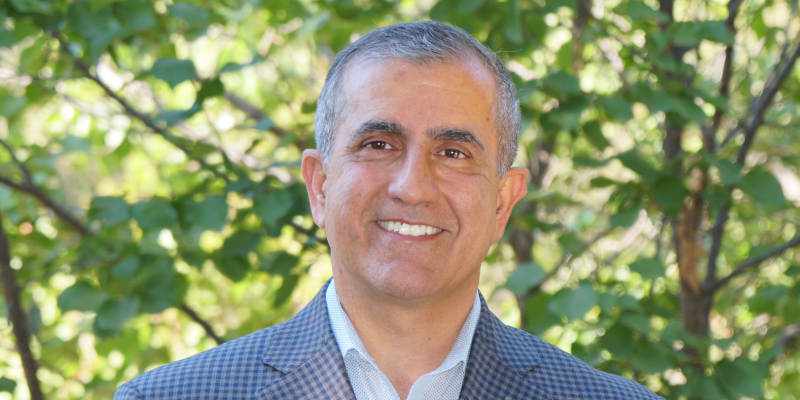
Dr. Oliver Ahmadpour is an adult and child psychiatrist with nearly four decades of experience in the field of medicine with an M.D. degree from Sweden, where he practiced as an Internal Medicine physician. In the U.S. he completed his Post-Doctoral Fellowship in Endocrinology at UCSD, and his Residency and Fellowship in Adult, Child, and adolescent Psychiatry at USC Keck School of Medicine.


We treat a wide range of teen mental health challenges including anxiety, depression, bipolar disorder, OCD, trauma-related disorders, behavioral issues, ADHD, oppositional defiance, substance use, and dual-diagnosis conditions. Many families come to BNI after struggling to find the right level of care elsewhere.
Most private insurance plans cover a significant portion of treatment. Our admissions team verifies benefits quickly and explains coverage, deductibles, and out-of-pocket expectations before admission. We do not accept Medi-Cal or Medicare.
Yes. Many families come to BNI with teens who have complex diagnoses, treatment-resistant depression, severe anxiety, self-harm history, or previous hospitalizations. Our clinical leadership regularly treats high-acuity cases and provides specialized expertise for them.
Absolutely. We use established, research-backed modalities including CBT, DBT, trauma-informed care, psychiatric medication management, experiential therapies, family systems work, and integrative approaches such as mindfulness, yoga, and expressive arts.
Our residential and outpatient programs are located in private, secure homes in Agoura Hills and Calabasas. These areas are known for their safety, privacy, and access to nature—ideal for focused healing and recovery.
Yes. BNI is trusted by the UCLA David Geffen School of Medicine as a training rotation site for physician fellows to learn best practices in adolescent mental health—an acknowledgment of our clinical quality and leadership in teen psychiatry.