Raising teenagers is not for the faint of heart. It is rife with so many challenges, that it might be tempting to take advantage of …
Most Major Insurance Accepted Verify Benefits
BNI treatment’s ODD Treatment program combines evidence-based therapies such as CBT, DBT, behavior modification, and trauma-informed care to help teens gain control over their reactions, improve frustation tolerance, and develop healthier ways to communicate and cope.
Raising teenagers is not for the faint of heart. It is rife with so many challenges, that it might be tempting to take advantage of …
Raising teenagers is not for the faint of heart. It is rife with so many challenges, that it might be tempting to take advantage of any tool that might alleviate a source of worry or stress. So when it comes to monitoring your teen for potential drug or alcohol use, it is a no-brainer that parents might be quick to jump on that bandwagon. But, is it OK to drug test your teenager?
This is a difficult topic that is logical on both sides of the question. Drug tests are inexpensive and accessible and offer parents a sense of control over the nemesis of substance use disorder. On the other hand, these tests may harm the core relationship between parent and teen and then fail to deter substance use anyway.
When researching this touchy topic you will find that the experts are weighing in decidedly in the camp answering “no” to the question, “Should you drug test your teenager.” In fact, the American Academy of Pediatrics has recommended against testing kids and teens. Dr. Sharon Levy, who heads up its Committee on Substance Abuse has been vocal about her opposition to the tests. Levy has expressed doubt that the drug tests will prevent substance use, but with the caveat that the case can be made for using these tests for teens with a history of drug use.
On the other hand, David Evans, Esq., a special advisor to the Drug Free America Foundation, has spearheaded the effort to encourage student testing. States Evans, “Drug and alcohol testing are effective and extremely accurate if properly administered and student dignity and privacy are preserved.” He goes on to point out that student confidentiality is protected under federal law, and that drug testing is effective in deterring students from substance use.
Sometimes the old pro-and-con list is the best way to hash out different sides of a particular issue. While most experts have come down on the side of not drug testing kids, there are some positives to consider before making a decision about the practice.
When asking about drug testing your teenager, most would advise not to. There are several reasons cited, including:
While the controversy continues regarding whether you should drug test your teenager, the focus should remain on paying close attention to your teen’s life. Busy, distracted parents are often shocked to learn that their son or daughter has changed their group of friends, a perennial tip off that they may be engaging in substance use. There are several signs to observe that could be red flag warnings pointing to a teen experimenting with drugs. These include:
The importance of maintaining a visible and supportive presence in your child’s life is essential to deterring substance use disorder. Although a teen may scoff at their parent’s involvement in their life, they really do crave parental love and guidance. Keep the lines of communication wide open and do not shy away from discussing the dangers of substance use disorder, to their health, their futures, and life itself.
If it should become evident that your teen is abusing drugs or alcohol, getting help for your child should not be delayed. Addiction and chemical dependency will develop as a result of continued substance use disorder, leading to increased consumption of the substance. When the signs and symptoms are there that the teen is engaging in substance use disorder, do not delay to intervene.
Parents may take the first step by visiting the family primary care provider. The doctor will conduct a physical exam and order blood tests that will include tests for drugs. The blood panel will also indicate any elevated liver enzymes that could have been due to alcohol use disorder. Once the blood test results are received, the doctor will advise the parents and refer them to a teen substance use disorder treatment program.
The teen rehab programs are offered in both outpatient and residential settings. If the teen exhibits withdrawal symptoms when attempting to stop using the substance, they may need a medical detox before beginning addiction treatment. Here are the typical treatment elements offered at a teen rehab program in a teen treatment center:
Detox and withdrawal: The process allows the body to rid itself of the toxins or remnants of the substance of use disorder.
Psychotherapy: A therapist will guide the teen toward discovering underlying emotional issues, and also help them reshape the dysfunctional behavior patterns that have developed.
Group therapy: These involve small gatherings of peers within the rehab community that will be encouraged to share with each other, and offer mutual support in recovery.
Family therapy: The family dynamic will be discussed, as well as new communication techniques, boundary setting, and realistic expectations.
Experiential activities: Teens tend to become more engaged in rehab when they can relate to the activity, so teen programs have adapted by adding such things as music and art therapy, surf therapy, yoga, and mindfulness meditation.
Addiction education: Teens are taught how addiction develops and how to avoid relapse.
Whether a parent should access drug test kits for monitoring a teen’s possible drug use is clearly up for debate. But when asking, “Should you drug test your teenager,” the better question might be “How can I develop a closer relationship with my teenager?”

Dr. Arastou Aminzadeh or Dr. A as most teens refer to him, has been working in variety of clinical settings for the last 20 years. He is well respected nationally for his expertise in Addiction medicine and treating adolescents. Dr. A is a triple board certified physician in psychiatry, Child and Adolescent psychiatry and Addiction medicine.
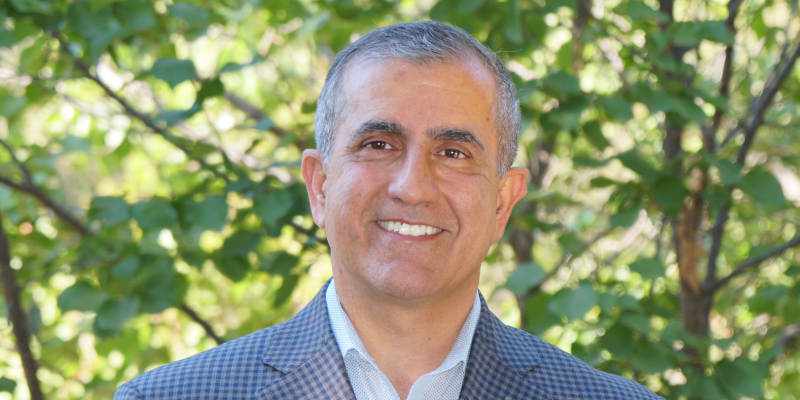
Dr. Oliver Ahmadpour is an adult and child psychiatrist with nearly four decades of experience in the field of medicine with an M.D. degree from Sweden, where he practiced as an Internal Medicine physician. In the U.S. he completed his Post-Doctoral Fellowship in Endocrinology at UCSD, and his Residency and Fellowship in Adult, Child, and adolescent Psychiatry at USC Keck School of Medicine.


We treat a wide range of teen mental health challenges including anxiety, depression, bipolar disorder, OCD, trauma-related disorders, behavioral issues, ADHD, oppositional defiance, substance use, and dual-diagnosis conditions. Many families come to BNI after struggling to find the right level of care elsewhere.
Most private insurance plans cover a significant portion of treatment. Our admissions team verifies benefits quickly and explains coverage, deductibles, and out-of-pocket expectations before admission. We do not accept Medi-Cal or Medicare.
Yes. Many families come to BNI with teens who have complex diagnoses, treatment-resistant depression, severe anxiety, self-harm history, or previous hospitalizations. Our clinical leadership regularly treats high-acuity cases and provides specialized expertise for them.
Absolutely. We use established, research-backed modalities including CBT, DBT, trauma-informed care, psychiatric medication management, experiential therapies, family systems work, and integrative approaches such as mindfulness, yoga, and expressive arts.
Our residential and outpatient programs are located in private, secure homes in Agoura Hills and Calabasas. These areas are known for their safety, privacy, and access to nature—ideal for focused healing and recovery.
Yes. BNI is trusted by the UCLA David Geffen School of Medicine as a training rotation site for physician fellows to learn best practices in adolescent mental health—an acknowledgment of our clinical quality and leadership in teen psychiatry.