Are you familiar with the term “winter blues?” It’s common to feel a little gloomy when the weather is colder and days are darker. For …

Are you familiar with the term “winter blues?” It’s common to feel a little gloomy when the weather is colder and days are darker. For some, the “winter blues” are more extreme, developing into a condition called seasonal affective disorder (SAD).
Adolescents can also experience this condition. There is little recent research on the prevalence of SAD in youth, but one study suggested it impacts between 1.7% and 5.5% of teens. We do know that 1 in 5 youth experienced a major depressive episode in 2023. Some of these were inevitably influenced by seasonal changes, meaning seasonal affective disorder could be a cause.
When is it just the “winter blues,” and when is it something more serious, like SAD? BNI Treatment Centers is run by expert psychiatrists who are well-versed in a vast manner of mental health conditions, with SAD included. Let’s explore seasonal affective disorder symptoms so you can tell the difference.
SAD is a type of depression that correlates with the change in seasons. It is also sometimes referred to as seasonal depression. While it’s most common in the winter months, spring and summer SAD also exist. Typically, people with this condition will feel depressed during the fall and winter, with symptoms subsiding in the spring and summer. People assigned female at birth are more likely to have SAD, as well as other forms of depression. Studies currently suggest this is due to a combination of hormonal and societal circumstances that are unique to them.
The largest proponent of fall and winter SAD is lessening sunlight. The closer someone is to the equator, the less likely they are to experience the condition. Over 18% of participants in a study in Alaska met the criteria for winter-pattern SAD. In comparison, the estimated average prevalence of SAD in the United States is 5%.
Humans get much of their vitamin D from sunlight, and vitamin D deficiency is linked to depressive symptoms. Sunlight also helps to regulate serotonin, a neurotransmitter associated with depression at low levels.
The body naturally produces more melatonin in darkness. Melatonin helps regulate sleep and mood. When melatonin is overproduced, you may feel lethargic and fatigued. During the months when it’s darker more frequently, some people experience this overproduction.
All of these factors contribute to winter-pattern seasonal affective disorder. Scientists don’t currently know what causes SAD in the spring and summer in areas with sufficient sunlight.
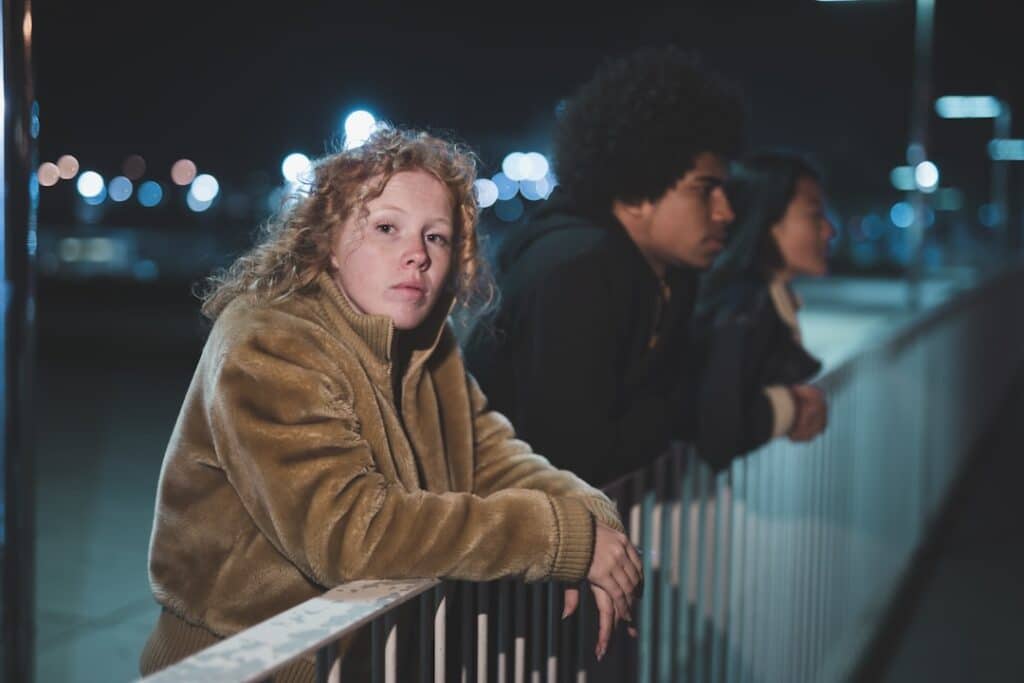
Seasonal affective disorder usually manifests in adolescence or young adulthood. The chance of developing SAD decreases with age. Recognizing SAD in teens can lead to early intervention, which will empower adolescents with SAD to live healthy lives as adults.
In the winter, American teens often go to school while it’s still dark outside. When they get home at the end of the school day, they only have a few hours of sunlight, and this time is often spent working on homework. This combination can contribute to the development of seasonal affective disorder in teens. This condition can negatively impact teens’ grades, relationships, and more.
The symptoms of seasonal affective disorder are the same as regular depression symptoms, but they only happen for part of the year. These symptoms include:
While SAD that occurs during the spring and summer often comes with similar signs, there are additional symptoms more characteristic of this version of the condition. These are:
It’s important to keep in mind that seasonal affective disorder can only be diagnosed by a mental health professional. If you believe your child might be impacted by SAD, they should see a mental health practitioner for an official diagnosis and potential treatment.
Aside from seeking mental health care, these additional things may help:

If your child is living with seasonal depression, we encourage you to seek teen mental health treatment for them. Therapy is beneficial for anyone, even if they do not receive an official diagnosis of seasonal affective disorder. A therapist can guide your teen with strategies to manage the concerns interfering with their life.
BNI Treatment Centers is a teen mental health facility serving the Los Angeles area. Seasonal affective disorder (SAD) is just one condition we treat of many. Our expertise allows us to diagnose and offer care for both complex and common conditions, and manage medication as necessary. Call us at (888) 522-1504 for more information today.
BNI Treatment Centers: Science-based, evidence-backed, compassion-led.