Most Major Insurance Accepted Verify Benefits 

BNI treatment’s ODD Treatment program combines evidence-based therapies such as CBT, DBT, behavior modification, and trauma-informed care to help teens gain control over their reactions, improve frustation tolerance, and develop healthier ways to communicate and cope.

PTSD can occur in teens after a single traumatic event or a series of traumatic events. It shows up as intrusive thoughts, avoidance, a persistent …

PTSD can occur in teens after a single traumatic event or a series of traumatic events. It shows up as intrusive thoughts, avoidance, a persistent sense of threat, and related changes in functioning. Fortunately, treatment is available, including cognitive processing therapy, exposure therapy, and EMDR. Find out more about the condition and how BNI Treatment Centers can help.

Key Takeaways

  • PTSD can occur in teenagers following exposure to a traumatic event or a series of traumatic events. It can cause avoidance, flashbacks, nightmares, and changes in emotions and behaviors.
  • This mental health condition can sometimes be difficult for parents to recognize in their teenager because the symptoms are often similar to normal teen behavior, and some teens may have difficulty talking about their symptoms. The biggest indicator is timing- there may be an issue if changes occur following a traumatic event.
  • PTSD and related conditions like CPTSD and complex trauma can be treated through exposure therapy, EMDR, somatic therapy, cognitive processing therapy, group therapy, and medication management, if necessary.

Table of Contents

Introduction

Post-traumatic stress disorder (PTSD) doesn’t just happen to adults- it can happen to children and teens as well. PTSD can develop in teens after exposure to a traumatic event, including experiences that occur once or repeatedly over time. It can impact their emotions, sleep, concentration, behavior, and sense of safety.

PTSD Treatment- Therapy plays a key role

Parents of children exposed to trauma should look out for the warning signs and help them find effective treatment; various therapeutic approaches are available. This article will guide you through the process so you can help your teen develop coping strategies that support mental health and day-to-day functioning.

Can Teens Have PTSD?

Yes, teens can have PTSD. A 2025 meta-analysis of 95 studies found that among trauma-exposed children and adolescents, about 12% met DSM-5 criteria for PTSD.

Some children experience distress after exposure to a traumatic event, but eventually recover. For others, distressing symptoms linger and interfere with daily life. It can impact mood, behavior, and relationships.

What Causes PTSD in Teens?

Common causes of PTSD in teens include:

  • Physical or sexual abuse
  • Serious accidents or injuries
  • Witnessing violence
  • Community or interpersonal violence
  • Natural disasters
  • Serious medical experiences
  • The sudden or traumatic death of someone close
  • War, displacement, or other forms of violence
  • Experiences involving actual or threatened death, serious injury, or sexual violence

These can be one-time events, or issues, such as abuse, can be ongoing.

What Are PTSD Symptoms in Teens?

PTSD can show up differently in different teens, with symptoms such as re-experiencing the trauma, avoidance, changes in thoughts and emotions, and changes in arousal and behavior.

Re-experiencing the Trauma

Teens may continue to relive the trauma as if it’s happening again. They may experience:

  • Unwanted or intrusive memories
  • Nightmares
  • Flashbacks
  • Intense emotional reactions to reminders of the trauma
  • Physical reactions when reminded of what happened

Avoidance

They may avoid people, places, and things that remind them of the trauma, as follows:

  • Certain people or places
  • Conversations about what happened
  • News, television shows, or social media content that serves as a reminder
  • Activities that once felt normal
  • Thoughts or feelings connected to the traumatic experience

Changes in Thoughts and Emotions

The trauma can change how they think about the world, causing:

  • Persistent fear or guilt
  • Shame
  • Negative beliefs about themselves
  • Feeling that the world is unsafe
  • Emotional numbness
  • Loss of interest in activities
  • Difficulty experiencing positive emotions
  • Feeling disconnected from other people

Changes in Arousal and Behavior

Teens may become extremely reactive after a traumatic event, exhibiting the following behaviors and mood changes:

  • Irritability or anger
  • Being constantly on guard
  • Difficulty relaxing
  • Sleep problems
  • Difficulty concentrating
  • Being easily startled
  • Risk-taking or other changes in behavior
  • Substance use disorder can occur as a type of self-medication

Why Is PTSD Difficult to Detect In Teens?

PTSD can be difficult to recognize in teens because some symptoms can overlap with changes commonly seen during adolescence, and some teens may have difficulty explaining or disclosing what they’re experiencing

For example, a teen will rarely say, “I’m having flashbacks.” Instead, they may experience mood changes and withdraw from friend groups.

Teens may become irritable, withdrawn, have difficulty concentrating, or show changes in behavior after trauma. These changes can have many causes, so they shouldn’t automatically be interpreted as signs of PTSD, but it’s possible

One important clue is timing. If behavioral changes happen after a traumatic event, it may be time to see a professional.

PTSD vs Complex Trauma vs CPTSD in Teens: What Are the Differences?

PTSD and complex trauma are related but aren’t the same thing. PTSD is a mental-health disorder, while complex trauma generally describes a pattern of repeated or prolonged traumatic experiences.

Complex PTSD (CPTSD) is a distinct diagnosis in the ICD-11. It includes the core symptoms of PTSD along with broader difficulties involving emotion regulation, a persistent negative sense of self, and relationships.

Although CPTSD is often associated with prolonged or repeated trauma, the number of traumatic events alone does not determine whether someone has CPTSD. The diagnosis is based on the person’s symptom pattern.

How Is PTSD Diagnosed in Teens?

A teen therapy session

PTSD is diagnosed through a careful evaluation by a mental health professional. An assessment will explore:

  • What happened
  • When the traumatic experience occurred
  • The teen’s symptoms
  • How long symptoms have been present
  • Whether symptoms interfere with school, relationships, sleep, or daily activities
  • Previous traumatic experiences
  • Other mental-health or behavioral symptoms
  • Current sources of support and safety

The clinician will also review other aspects of the teen’s mental and physical health and medical history to rule out other conditions that can cause similar symptoms or contribute to PTSD severity. A meta-analysis of 56 studies found that 24.2% of trauma-exposed children and adolescents met criteria for depression. This highlights why a comprehensive assessment may need to consider other mental-health concerns alongside PTSD.

What Are PTSD Treatment Options?

Clinicians typically develop a comprehensive treatment plan that may include cognitive processing therapy, exposure therapy, EMDR, and medications, if necessary. Here are some mental health approaches that may be included.

Cognitive Processing Therapy

Cognitive Processing Therapy (CPT) is a specific trauma-focused treatment based on cognitive behavioral principles. It focuses on how a person has interpreted the traumatic experience and helps them examine trauma-related beliefs that may be maintaining PTSD symptoms.

Trauma-Focused Cognitive Behavioral Therapy

Trauma-Focused Cognitive Behavioral Therapy (TF-CBT) is a structured treatment developed specifically for children and adolescents who have experienced trauma. It combines trauma-related education, coping and emotional-regulation skills, gradual processing of the traumatic experience, and work with parents or caregivers. Research supports TF-CBT as an effective treatment for children and adolescents with trauma-related symptoms.

Exposure Therapy

Trauma-focused exposure approaches help teens gradually approach trauma-related memories, feelings, or safe situations they have been avoiding. With guidance from a trained clinician, the teen learns to manage distress and recognize that trauma reminders do not necessarily signal current danger.

Eye Movement Desensitization and Reprocessing (EMDR)

Eye Movement Desensitization and Reprocessing is a notable PTSD therapy for adults and may be helpful for teens as well. The teen recalls aspects of the traumatic experience while simultaneously engaging in bilateral stimulation, often guided eye movements. The therapist helps the person process the traumatic memory and associated beliefs, emotions, and physical sensations.

Somatic Therapy

Some therapists use body-based techniques to help people notice and manage physical responses associated with stress and trauma. These approaches may involve attention to bodily sensations, grounding, breathing, or relaxation. However, “somatic therapy” encompasses a range of approaches, and the evidence supporting these approaches for PTSD varies

Support Groups/ Group Therapy

Group therapy may help some teens, depending on their needs and treatment plan. A clinician can determine whether a group setting is appropriate.

Medication Management

In some cases, a clinician may consider medication as part of a broader treatment plan, particularly when significant symptoms or co-occurring conditions are present. Decisions for adolescents should be individualized and made by an appropriately qualified healthcare professional. Medication management often includes SSRIs for PTSD symptoms.

How Can Parents Help Teens With PTSD?

Parents can help teens with PTSD by listening without forcing the conversation, avoiding minimizing the experience, creating consistency and predictability, paying attention to changes, and encouraging professional support.

  • Listen Without Forcing the Conversation: Instead of forcing teens to consider their condition, listen to what they have to say and pick up cues naturally.
  • Avoid Minimizing the Experience: Avoid telling teens that what they are experiencing is ‘not that bad.’
  • Create Consistency and Predictability: A predictable routine, such as regular meal times, sleep times, and studying schedules, can relieve anxiety related to PTSD.
  • Pay Attention to Changes: These changes could indicate a need for professional help or show that symptoms are worsening or improving.
  • Encourage Professional Support: If your teen is having trouble functioning, encourage them to get support. Explain how support can help them feel better, and let them have a say in their treatment options.

Get the Help You Need at BNI Treatment Centers

Trauma-related symptoms can be difficult for teens and their families, but effective treatments are available. BNI Treatment Centers provides individualized mental health care designed around each teen’s needs, with different levels of care and support available. Our comprehensive treatment plans span various levels of care, while academic support helps your teen keep up with their schoolwork.

Contact us to help your teen work toward improved mental health and day-to-day functioning.

FAQs

Can a 13-year-old have PTSD?

Yes. PTSD can occur in children and adolescents, including young teenagers. Symptoms and how they appear can vary depending on the child’s developmental stage.

What is the difference between PTSD and complex PTSD?

PTSD involves a specific group of trauma-related symptoms. Complex PTSD, as defined in the ICD-11, includes the core symptoms of PTSD along with additional difficulties involving emotional regulation, self-concept, and relationships.

Can ongoing childhood trauma cause PTSD in teenagers?

Yes. PTSD can develop following repeated or prolonged trauma. Ongoing trauma can also be associated with broader difficulties that may be described as complex trauma or, when diagnostic criteria are met, complex PTSD.

Does every teen who experiences trauma develop PTSD?

No. Many children and teenagers experience traumatic events without developing PTSD. Individual responses to trauma vary considerably.

Can PTSD in teenagers be treated?

Yes. Evidence-based trauma-focused therapies can help many young people with PTSD. Treatment should be tailored to the teenager’s symptoms, developmental needs, circumstances, and available support.


Sources

  1. World Health Organization (WHO). Post-traumatic stress disorder (PTSD). WHO, 2026.
    https://www.who.int/news-room/fact-sheets/detail/post-traumatic-stress-disorder
    — Overview of PTSD symptoms, diagnosis, prevalence, course, and treatment.
  2. World Health Organization (WHO). Clinical Descriptions and Diagnostic Requirements for ICD-11 Mental, Behavioural and Neurodevelopmental Disorders. WHO, 2024.
    https://www.who.int/publications/i/item/9789240077263
    — Primary reference for the ICD-11 definitions of PTSD and complex PTSD (CPTSD).
  3. Sarr, R., Quinton, A., Spain, D., & Rumball, F. “A Systematic Review of the Assessment of ICD-11 Complex Post-Traumatic Stress Disorder (CPTSD) in Young People and Adults.” Clinical Psychology & Psychotherapy, 2024.
    https://pubmed.ncbi.nlm.nih.gov/38894553/
    — Reviews assessment of CPTSD, including evidence involving children and adolescents.
  4. Kazlauskas, E., et al. “The structure of ICD-11 PTSD and Complex PTSD in adolescents exposed to potentially traumatic experiences.” Journal of Affective Disorders, 2020.
    https://pubmed.ncbi.nlm.nih.gov/32090738/
    — Examines the distinction between PTSD and CPTSD in adolescents exposed to potentially traumatic experiences.
  5. Redican, E., et al. “A systematic literature review of factor analytic and mixture models of ICD-11 PTSD and CPTSD using the International Trauma Questionnaire.” Journal of Anxiety Disorders, 2021.
    https://pubmed.ncbi.nlm.nih.gov/33714868/
    — Reviews evidence supporting PTSD and CPTSD as distinguishable symptom profiles.
  6. Post-traumatic stress disorder rates in trauma-exposed children and adolescents: updated three-level meta-analysis. British Journal of Psychiatry, 2025.
    https://pubmed.ncbi.nlm.nih.gov/40357809/
    — Provides updated estimates of PTSD prevalence among trauma-exposed children and adolescents; the DSM-5 analysis estimated an overall prevalence of approximately 12%.
  7. Adverse Childhood Experiences and the Diagnosis of ICD-11 Post-traumatic Stress Disorder or Complex Post-traumatic Stress Disorder: A Systematic Review and Three-level Meta-analysis. 2025.
    https://pubmed.ncbi.nlm.nih.gov/40317203/
    — Examines associations between adverse childhood experiences and PTSD/CPTSD, including the relationship between cumulative adversity and CPTSD.
  8. American Academy of Child and Adolescent Psychiatry (AACAP). Practice Parameter for the Assessment and Treatment of Children and Adolescents Who Are Reactive to Traumatic Events and Experiences.
    https://www.aacap.org/App_Themes/AACAP/docs/practice_parameters/PTSDT.pdf
    — Clinical guidance on assessment and treatment of PTSD and trauma-related symptoms in children and adolescents.
  9. U.S. Department of Veterans Affairs & U.S. Department of Defense. VA/DoD Clinical Practice Guideline for the Management of Posttraumatic Stress Disorder and Acute Stress Disorder, 2023.
    https://www.healthquality.va.gov/HEALTHQUALITY/guidelines/MH/ptsd/
    — Evidence-based clinical guideline addressing PTSD assessment and treatment, including trauma-focused psychotherapies.
  10. Lewis, C., et al. “Psychological interventions for ICD-11 complex PTSD symptoms: systematic review and meta-analysis.” Psychological Medicine, 2020.
    https://pubmed.ncbi.nlm.nih.gov/30857567/
    — Reviews evidence for psychological interventions addressing PTSD and symptoms associated with ICD-11 CPTSD.
  11. Trauma-Focused Cognitive Behavioral Therapy (TF-CBT). TF-CBT: The Evidence. 2024.
    https://tfcbt.org/wp-content/uploads/2025/02/Trauma-Focused-Cognitive-Behavioral-Therapy-2024.pdf
    — Summary of the research evidence supporting TF-CBT for children and adolescents affected by trauma.
About the Author
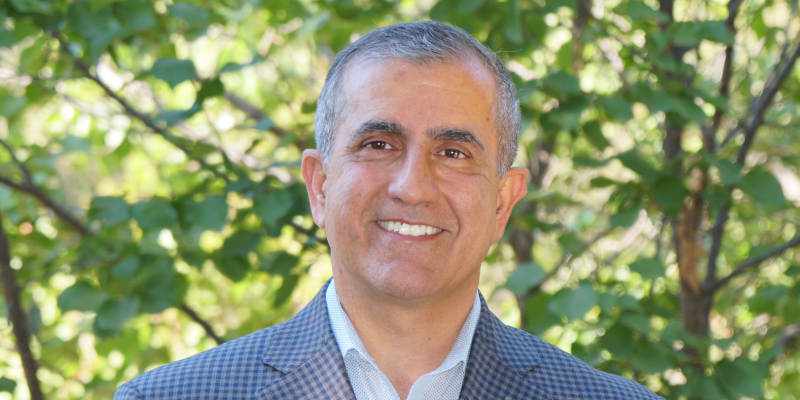
Arastou Aminzadeh, M.D.

Arastou Aminzadeh, M.D.

Dr. Arastou Aminzadeh or Dr. A as most teens refer to him, has been working in variety of clinical settings for the last 20 years. He is well respected nationally for his expertise in Addiction medicine and treating adolescents. Dr. A is a triple board certified physician in psychiatry, Child and Adolescent psychiatry and Addiction medicine.

Oliver Ahmadpour, M.D.

Oliver Ahmadpour, M.D.

Dr. Oliver Ahmadpour is an adult and child psychiatrist with nearly four decades of experience in the field of medicine with an M.D. degree from Sweden, where he practiced as an Internal Medicine physician. In the U.S. he completed his Post-Doctoral Fellowship in Endocrinology at UCSD, and his Residency and Fellowship in Adult, Child, and adolescent Psychiatry at USC Keck School of Medicine.

Free Insurance Verification
Most major health insurance plans will help cover up to 100% of the cost of treatment at our program. Find out your teen's coverage & treatment options right now.
News & Resources for Families

Check Out Our Recent Articles

Frequently Asked Questions

We treat a wide range of teen mental health challenges including anxiety, depression, bipolar disorder, OCD, trauma-related disorders, behavioral issues, ADHD, oppositional defiance, substance use, and dual-diagnosis conditions. Many families come to BNI after struggling to find the right level of care elsewhere.

Most private insurance plans cover a significant portion of treatment. Our admissions team verifies benefits quickly and explains coverage, deductibles, and out-of-pocket expectations before admission. We do not accept Medi-Cal or Medicare.

Yes. Many families come to BNI with teens who have complex diagnoses, treatment-resistant depression, severe anxiety, self-harm history, or previous hospitalizations. Our clinical leadership regularly treats high-acuity cases and provides specialized expertise for them.

Absolutely. We use established, research-backed modalities including CBT, DBT, trauma-informed care, psychiatric medication management, experiential therapies, family systems work, and integrative approaches such as mindfulness, yoga, and expressive arts.

Our residential and outpatient programs are located in private, secure homes in Agoura Hills and Calabasas. These areas are known for their safety, privacy, and access to nature—ideal for focused healing and recovery.

Yes. BNI is trusted by the UCLA David Geffen School of Medicine as a training rotation site for physician fellows to learn best practices in adolescent mental health—an acknowledgment of our clinical quality and leadership in teen psychiatry.

What We Treat

888-522-1504