Most Major Insurance Accepted Verify Benefits 

BNI treatment’s ODD Treatment program combines evidence-based therapies such as CBT, DBT, behavior modification, and trauma-informed care to help teens gain control over their reactions, improve frustation tolerance, and develop healthier ways to communicate and cope.

When Does Disobedience Become ODD Amongst Teens?Oppositional defiant disorder is a teen behavior problem. ODD is quite a common mental health disorder in children and …

When Does Disobedience Become ODD Amongst Teens?

Oppositional defiant disorder is a teen behavior problem. ODD is quite a common mental health disorder in children and teens. The patterns of ODD are often seen in early childhood first. Even kids as young as preschool age found to have the disorder. Children that do not outgrow the symptoms of ODD may develop ever more rowdy behaviors in adolescence.

ODD is likely when a teen shows:

  • Ongoing anger, irritability, or resentment

  • Frequent temper outbursts or emotional explosions

  • Constant arguing with parents, teachers, or authority figures

  • Refusal to follow rules or comply with reasonable requests

  • Blaming others for their mistakes or behavior

  • Deliberately annoying or provoking others

  • Being easily annoyed or feeling attacked

  • Spiteful or vindictive behavior

What is ODD in a Teenager?

Kids of all ages can be hostile and angry at times. But teens with ODD will display poor behavior patterns for more than six months. These might include:

  • Hostility
  • Defiancelos angeles odd treatment for teens
  • Rejects authority
  • Refusal to follow rules
  • Spitefulness
  • Verbal aggression
  • Has very negative outlook
  • Angry outbursts
  • Argues, doesn’t cooperate
  • Stubborn behaviors

Having a teen with ODD can be taxing on families, teachers, fellow students, and friends. The teen simply does not have the skill-set to respond appropriately. When these teens feel challenged, they lash out. They express their frustration in negative ways. The bad behavior leads to punishments, which leads to more acting out, like a vicious cycle.

ADHD is very common among teens with ODD. Teens with ODD may also struggle with anxiety disorders, depression, bipolar disorder, and learning disorders. After the teen is assessed a mental health provider will be able to design a treatment plan. A thorough review of symptoms will provide the details that can help form a tailored plan. Having a plan in place is important for parents who are weary from failed attempts to manage the teen’s ODD.

Crafting an ODD Treatment Plan for Teens

Raising a child or teen with ODD is taxing. Every day becomes a battleground where tempers flare and voices rise. Often the teen learns how to manipulate the adults in their life. Parents reach a point when they want to give up. They feel they simply cannot manage their teen anymore and need help.

As part of the process of making an ODD treatment plan, a thorough psychiatric evaluation is done first. This includes an meeting with the parents. Parents can shed light on causal factors such as life events that may be factors in the ODD. These details help create a valid Oppositional Defiant Disorder treatment plan.

There are many factors that can play into ODD. Some of these might include:

  1. Brain: Some brain studies have shown that kids with ODD have slight differences in the brain’s limbic region. This is where executive functions take place.
  2. Genes: Children whose parents had ODD, ADHD, substance use disorders, or mood disorders are more prone to ODD.
  3. Personality traits: A child’s disposition and temperament can play in to ODD.
  4. Environment: Home and family life are factors in ODD. Children who did not receive supervision and structure, or were abused are at higher risk.

Based on the needs and symptoms of each teen a tailored plan is devised. Treatment can include meds if there is a mood disorder or ADHD present.

What Therapies Work Best for an ODD Teenager

Treatment for ODD will last for several months. This requires a time commitment from the parents, the teen, and teachers who will work together. Treatment for ODD involves a the following:

  • Cognitive problem-solving skills training
  • Parent management training
  • Family therapy
  • Individual psychotherapy
  • Medication

Therapy for ODD should be behavioral-based, and may include a reward system. Rewards help reinforce new coping skills, social skills, and positive behavior. Parents will learn better discipline techniques through the family focused piece. This helps parents regain control within the home.

Why ODD Requires Specialized Teen Treatment

Oppositional Defiant Disorder is not just about bad behavior,  it is a neurobehavioral condition that affects how teens process emotions, authority, and stress. The teenage brain is still developing the areas responsible for impulse control, emotional regulation, and decision-making, which makes untreated ODD far more intense and disruptive during adolescence than in childhood.

Teens with ODD often experience overwhelming frustration, low tolerance for stress, and a constant sense of being threatened or misunderstood. When these feelings go untreated, they can quickly escalate into school failure, family breakdown, depression, anxiety, substance use, or conduct disorder.

Specialized teen ODD treatment is critical because adolescents need more than discipline, they need psychiatric care, behavior therapy, and family-based intervention delivered in a structured, supportive environment. Programs designed specifically for teens teach emotional regulation, accountability, and problem-solving in ways that match their developmental stage.


ODD Treatment For Teens In Los Angeles

BNI Treatment Centers is a residential mental health treatment program for teens. BNI offers acute stabilization and treatment for a range of mental health disorders, including ODD. By creating an custom ODD treatment plan it will address the unique features of each teen’s case. BNI Treatment Centers can offer hope to both the teen and their family. To learn more about our ODD treatment, program, please contact specialists at BNI Treatment today at (888) 522-1504.


Frequently Asked Questions

ODD is caused by a combination of brain development, genetics, trauma, family stress, and emotional regulation issues. Many teens with ODD also have ADHD, anxiety, depression, or bipolar disorder, which makes professional psychiatric evaluation essential.

BNI uses a comprehensive, teen-focused treatment approach that includes:
  • Psychiatric evaluation
  • Behavioral therapy (CBT & DBT)
  • Family therapy
  • Parent coaching
  • Medication when clinically appropriate
  • Academic and emotional support
This allows us to address both behavior and underlying mental health conditions.

Residential treatment is recomended when ODD is severe, when teens are failing in school, becoming aggresive, or when outpatient therapy has not worked. Our residential program in Southern California provides the structured and safety needed for true behavior change.

Yes. While BNI Treatment Centers are located in Agoura Hills and Calabasas near Los Angeles, We accept teens from all of California, all 50 states, and internationally.

Most major health insurance plans cover psychiatric care, therapy, and residential treatment for ODD. BNI’s admissions team can verify benefits and determine coverage — many families have up to 100% of treatment covered.

Medication is not always required. However, if you teen has ADHD, depression, bipolar disorder, or severe mood dysregulation, our psychiatrists may prescribe medication to stabilize emotional symptoms and improve treatment outcomes.

Yes. BNI’s clinical team is led by board-certified child and adolecent psychiatrists, including Dr. Arastou Amizadeh and Dr. Oliver Ahmadpour, who have decades of experience treating behavioral disorders, mood disorders, and complex teen cases.

ODD can be effectively treated and managed. With the right combination of therapy, psychiatric care, and family involvement, many teens experience major improvements in behavior, emotional control, and relationships.

Treatment length varies depending on severity, but most teens need several months of structured care. The goal is not just behavior control but long-term emotional stability and family healing.

About the Author
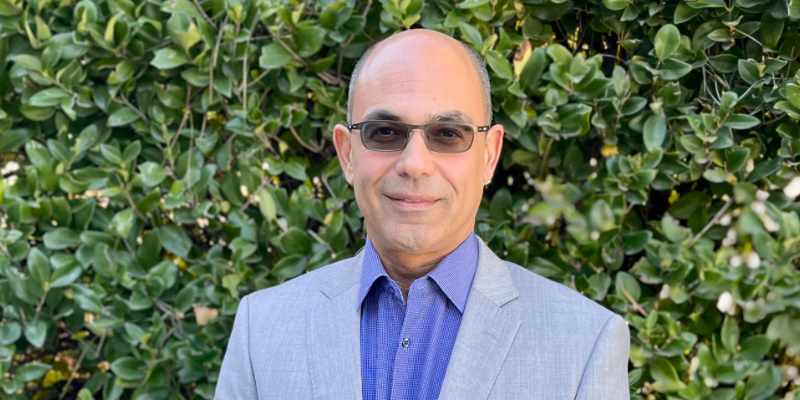
Arastou Aminzadeh, M.D.

Arastou Aminzadeh, M.D.

Dr. Arastou Aminzadeh or Dr. A as most teens refer to him, has been working in variety of clinical settings for the last 20 years. He is well respected nationally for his expertise in Addiction medicine and treating adolescents. Dr. A is a triple board certified physician in psychiatry, Child and Adolescent psychiatry and Addiction medicine.

Oliver Ahmadpour, M.D.

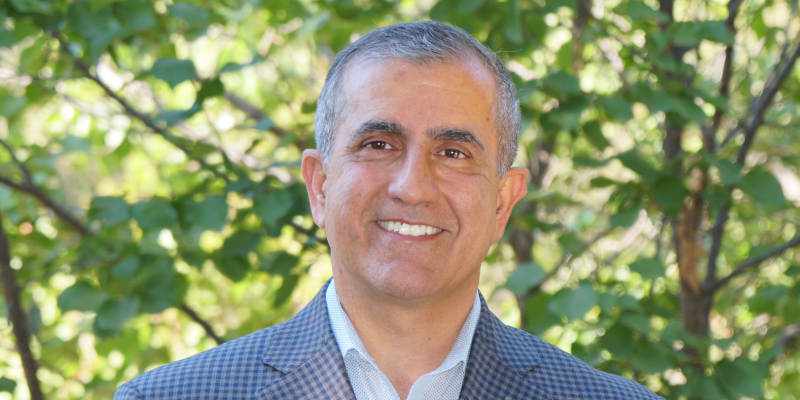
Oliver Ahmadpour, M.D.

Dr. Oliver Ahmadpour is an adult and child psychiatrist with nearly four decades of experience in the field of medicine with an M.D. degree from Sweden, where he practiced as an Internal Medicine physician. In the U.S. he completed his Post-Doctoral Fellowship in Endocrinology at UCSD, and his Residency and Fellowship in Adult, Child, and adolescent Psychiatry at USC Keck School of Medicine.

Free Insurance Verification
Most major health insurance plans will help cover up to 100% of the cost of treatment at our program. Find out your teen's coverage & treatment options right now.

Frequently Asked Questions

We treat a wide range of teen mental health challenges including anxiety, depression, bipolar disorder, OCD, trauma-related disorders, behavioral issues, ADHD, oppositional defiance, substance use, and dual-diagnosis conditions. Many families come to BNI after struggling to find the right level of care elsewhere.

Most private insurance plans cover a significant portion of treatment. Our admissions team verifies benefits quickly and explains coverage, deductibles, and out-of-pocket expectations before admission. We do not accept Medi-Cal or Medicare.

Yes. Many families come to BNI with teens who have complex diagnoses, treatment-resistant depression, severe anxiety, self-harm history, or previous hospitalizations. Our clinical leadership regularly treats high-acuity cases and provides specialized expertise for them.

Absolutely. We use established, research-backed modalities including CBT, DBT, trauma-informed care, psychiatric medication management, experiential therapies, family systems work, and integrative approaches such as mindfulness, yoga, and expressive arts.

Our residential and outpatient programs are located in private, secure homes in Agoura Hills and Calabasas. These areas are known for their safety, privacy, and access to nature—ideal for focused healing and recovery.

Yes. BNI is trusted by the UCLA David Geffen School of Medicine as a training rotation site for physician fellows to learn best practices in adolescent mental health—an acknowledgment of our clinical quality and leadership in teen psychiatry.

What We Treat

888-522-1504