Most Major Insurance Accepted Verify Benefits 

Teen Residential Treatment in Los Angeles: BNI's Inpatient Treatment Centers

Home/Treatment/Residential Inpatient
RESIDENTIAL INPATIENT TREATMENT FOR TEENS & ADOLESCENTS

Teen Residential Treatment Centers (RTC)

BNI Treatment Centers offers 24/7 residential treatment for ages 12-17. We treat a variety of behavioral, substance abuse, dual diagnosis, and mental health conditions. Contact us to verify benefits today.

Why Families Choose BNI Residential Treatment Programs

• Psychiatrist-Led Care

As a physician-owned and operated business, we provide direct psychiatric care beyond initial consults. Dr. Aminzadeh is triple board-certified in psychiatry, child and adolescent psychiatry, and addiction medicine. Dr. Ahmadpour completed a residency and fellowship in adult, child, and adolescent psychiatry at USC Keck.


• On-Site Medical Team

Our physician assistant and clinical pharmacist can oversee medication management and adjust dosages as needed to meet individualized needs.

• Accreditation and Licensing

We are licensed by the California Department of Social Services and CARF-accredited, demonstrating our dedication to clinical excellence.

• Full Continuum of Care Through One Team

Our comprehensive care spans medical detox and stabilization, residential, partial hospitalization, and intensive outpatient programs, providing a step-down approach that meets clients where they are on the treatment spectrum. Because the same BNI team provides all levels of care, teens can transition easily as their needs change.

• Specialized Therapy with Credentialed Staff

Our specialized approaches support whole-person wellness and include equine therapy led by a PhD/PsyD, surf therapy through the NSSIA-certified Shaka Surf Club, art therapy, yoga, and sound bath.

Our on-site tutors help your child keep up with schoolwork. We also offer reintegration when therapy is completed.

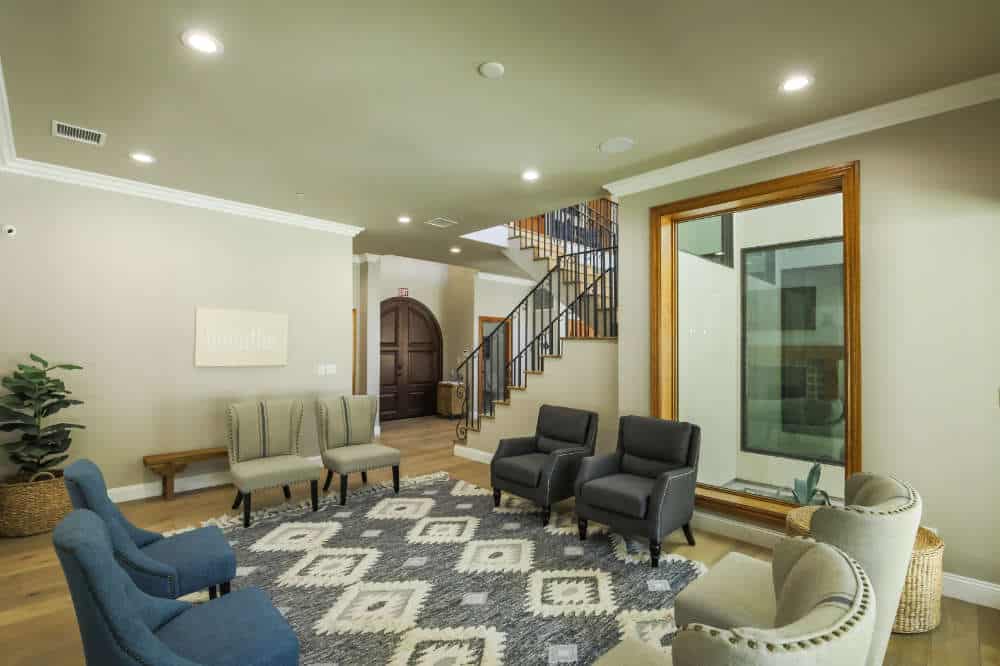
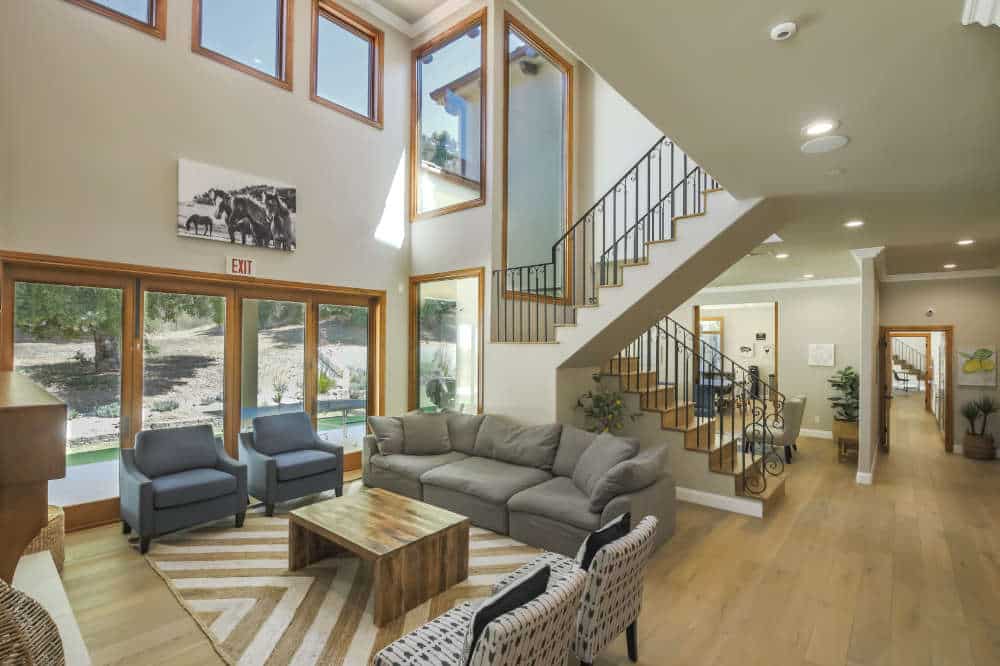
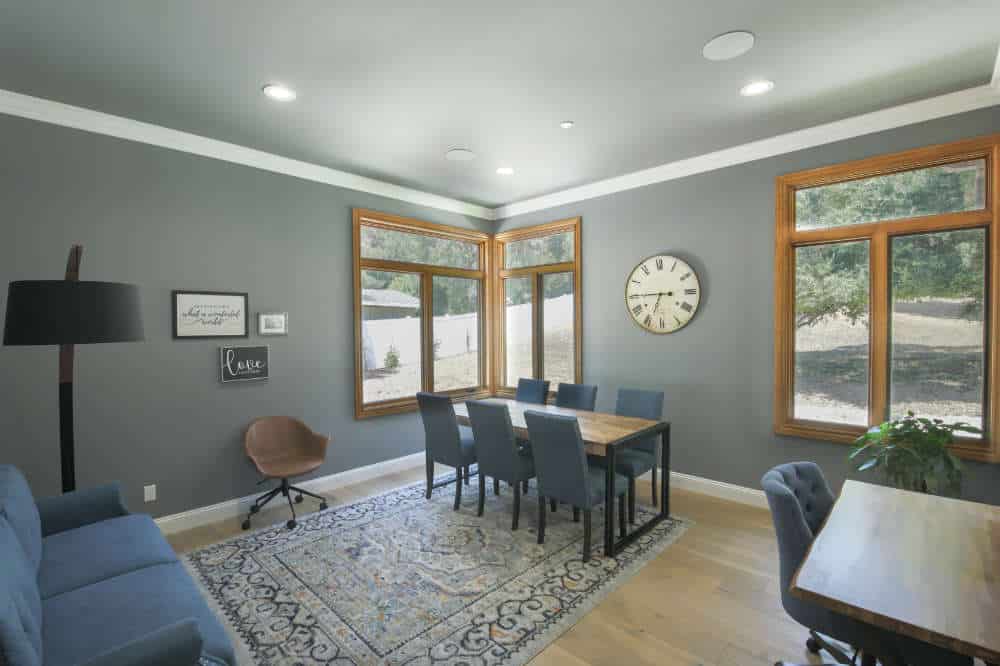
Our residential homes sit on private estates in Agoura Hills and Calabasas, with semi-private and private rooms and staff on-site 24/7. Our Los Angeles location provides easy access to nearby airports for out-of-town clients.

Who Are Our Teen Treatment Programs For?

We treat a variety of adolescent mental health disorders, behavioral issues, substance use disorders, and co-occurring conditions, including:

Signs Your Teen May Need Residential Care

Residential care is usually the right fit when a teen needs more support and supervision than weekly therapy or a day program can give. Signs to watch for include:

  • Outpatient care hasn’t been enough: Your teen has tried therapy, IOP, or PHP, but symptoms aren’t improving or are getting worse.

  • Unsafe behavior: Self-harm, suicidal thoughts, running away, aggression, or other risky behavior that puts your teen or others in danger.

  • Severe emotional distress: Depression, anxiety, panic, or mood swings that make it hard to get through the day.

  • School refusal: Your teen won’t go to school, misses a lot of class, or has stopped keeping up with schoolwork.

  • Substance use that outpatient care couldn’t manage: Drinking or drug use keeps going or escalates despite outpatient treatment, often alongside mental health symptoms.

If your teen is in immediate danger, call 911 or call or text 988.

You don’t have to make this decision alone. Every teen starts with an assessment that helps our clinical team determine the right level of care: residential, partial hospitalization (PHP), or intensive outpatient (IOP). To learn more, read Does My Child Need Residential Treatment? and Where Can I Send My Out-of-Control Teenager?

What Are the Key Elements of Residential Treatment?

Psychiatric Care and Medication Management

Each teen receives a comprehensive psychiatric evaluation at admission, and their psychiatrist stays involved throughout their stay. Our on-site physician assistant and clinical pharmacist work alongside the psychiatric team to monitor medications, adjust dosages when needed, and watch for side effects. This close oversight is especially important for teens with co-occurring mental health and substance use conditions, where medication decisions can be complex.

Because psychiatric care is built into every part of the program, your teen’s medication plan and therapy work together instead of being handled by separate providers.

Starting Treatment: Medical Detox and Acute Stabilization

Some teens need extra support before they’re ready to begin residential care. Teens with physical dependence on drugs or alcohol start in our separate medical detox program, where our medical team manages withdrawal symptoms in a safe, supervised setting. Teens experiencing a mental health crisis may begin with acute stabilization, where our psychiatric team provides immediate care to help them feel safe and stable.

Once a teen is ready, they transition directly into residential treatment with the same psychiatrist-led team, so there’s no gap in care between programs.

Individual Therapy

Teens see a licensed therapist three times a week and develop an individualized treatment plan that meets their needs and goals. Evidence-based therapies are integrated, such as:

  • Cognitive Behavioral Therapy (CBT): Addresses negative thought patterns to guide healthier behaviors. MBCT (mindfulness-based cognitive therapy) may also be included, which integrates mindfulness practices like meditation and breathing exercises.

  • Dialectical Behavior Therapy (DBT): An offshoot of CBT, DBT builds skills in mindfulness, distress tolerance, emotion regulation, and interpersonal effectiveness.

  • Integrated Body Psychotherapy: A body-centered form of talk therapy that pairs conversations with body-awareness techniques like breathwork and exploration of muscle tension and posture.

  • Solution-Focused Therapy: Helps teens identify their strengths and set practical goals, focusing on solutions and progress rather than dwelling on problems.

  • Trauma-Focused Care: For teens living with trauma or PTSD, therapists use trauma-informed approaches, including EMDR (eye movement desensitization and reprocessing) alongside CBT and DBT, to help them process painful experiences at a pace that feels safe.

Other Therapy Types

  • Group Therapy: Peer support can be influential during recovery, helping teens connect with and learn from others.

  • Family Therapy: Family members join therapy sessions to learn more about their teen’s condition and help create a healing environment.

  • Dual Diagnosis Treatment: Simultaneously treats substance use and mental health disorders when they co-occur.

  • Holistic Therapies: Mindfulness practices complement traditional approaches in teen mental health treatment.

Our treatment center provides a healing environment for teens

What Is Teen Residential Treatment?

A residential treatment center for teens is a live-in program that provides round-the-clock support for adolescents who need a higher level of care. It gives teens a break from the stressors, triggers, and routines in everyday life that may be contributing to their struggles, so they can focus fully on healing.

Each day follows a predictable rhythm, helping teens feel safer and more settled as they learn and practice new coping skills. A typical day includes:

  • Morning: Teens wake at the same time each day and start with a chef-prepared breakfast.

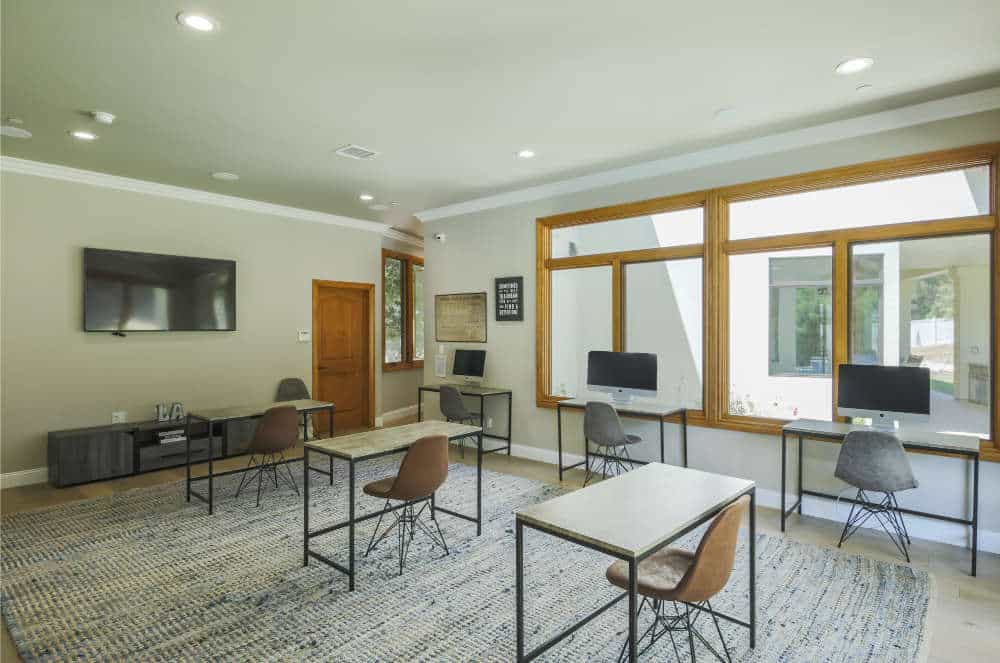
  • School time: Dedicated school time every day, with on-site tutors and computer stations so teens keep up with coursework.

  • Therapy: Individual sessions three times a week, plus group therapy and specialized therapies such as art, yoga, equine, or surf therapy.

  • Free time: Time to swim, play games, and join group outings.

  • Family contact: Family therapy sessions and regular progress updates keep parents involved.

  • Evening: Dinner and a consistent bedtime.

Staff are present day and night to help teens through difficult moments as they happen, not just during scheduled appointments.

BNI Treatment Lobo residential facility in Agoura Hills, CA

Our Programs

Your Teen's Future is Bright

Residential Teen Treatment Elements

The residential treatment center features a safe, structured environment where adolescents engage in a variety of therapeutic activities throughout each day. These include the following treatment elements:

Our residential program serves teens ages 12 to 17.

We treat teens struggling with mental health conditions, behavioral issues, substance use, and dual diagnosis, meaning co-occurring mental health and substance use conditions.

Our on-site tutors and computer stations help your teen stay up to date on schoolwork while they are in treatment.

Family therapy is central to the program. Parents and teens work together to improve communication and build healthier ways of relating at home.

We work with most major insurance providers. We don’t accept Medi-Cal, Medicare, IEHP, Kaiser, or government-funded state or county insurance. Our admissions team can verify your benefits before you enroll so you know what to expect.

Most teens stay in residential treatment for 30 to 90 days. The exact length depends on your teen’s needs and progress, which their treatment team reviews throughout their stay. Afterward, most teens step down to PHP or IOP for continued support.

Our Inpatient Rehab for Teens in California Can Help

BNI Treatment Centers is a psychiatrist-owned and operated residential treatment center in Los Angeles County, with private estate homes in Agoura Hills and Calabasas. As a licensed, CARF-accredited RTC for teens ages 12 to 17, we serve families locally, across the United States, and internationally. We’re within easy reach of Los Angeles International Airport (LAX), making residential treatment in California accessible for out-of-town families.

Our clinical team is dedicated to providing compassionate guidance and effective therapies to help teens reach their full potential. To learn more about our treatment program for teens 12 to 17, call Admissions at (888) 387-0105.

Experience. Connect. Grow.

BNI Treatment offers your teen a path forward.
Healing & Recovering Together

Parent & Family Support

At our mental health treatment center for teens, we understand how difficult this time is for the parents and families of a struggling teen. Our therapeutic and clinical team will support and guide the family unit throughout the process.

How Admission Works

Getting your teen into care starts with one conversation. Here’s what to expect:

  1. Call or request a callback. Reach our admissions team 24/7 by phone, or fill out the form below, and an admissions coordinator will call you back.

  2. Confidential assessment. Our clinical team gathers information about your teen’s symptoms, history, and safety concerns, then recommends the right level of care: residential, PHP, or IOP.

  3. Benefits check. We verify your insurance benefits for free and explain what your plan covers before admission.

  4. Admission and psychiatric evaluation. Depending on medical needs and bed availability, many teens can be admitted the same day or the next day. At admission, each teen receives a comprehensive psychiatric evaluation, which shapes their treatment plan.

  5. Staying in touch. An admissions coordinator answers your questions and walks you through each step before admission. Once your teen is in care, you’ll stay involved through family therapy and receive regular updates on their progress.

The Role of Family Therapy in Addiction Treatment for Teens

Request a Confidential Callback

Our caring admissions team is standing by, ready to help your teen or adolescent. Call us 24/7 or fill out our free form to request a callback.

    We work with most major insurance
    Many major health insurance plans can cover up to 100% of treatment costs at our program. Find out your teen's coverage & treatment options right now.

    We Currently DO NOT Accept Medi-Cal, Medicare, IEHP, Kaiser or Government state/county funded health insurance.

    What Happens After Residential Treatment?

    After teens complete residential treatment, they typically step down to our partial hospitalization and intensive outpatient programs, which help them keep building on the progress they’ve made. Learn more about success rates for teen residential treatment.

    Teens typically attend 6 hours of therapy five days a week, with structured support while living at home. Academic support usually continues at this level.

    Offers three hours of therapy per day, 3-5 days a week. Flexible scheduling allows teens to fit treatment around school and other activities.

    BNI Treatment Centers Is Here to Help Your Teen Achieve a Brighter Future

    BNI Treatment Centers offers comprehensive psychiatrist-led care for teens struggling with mental health, behavioral, and substance use issues. Our doctor-owned-and-operated facilities provide a safe, healing environment. We take a personalized approach to help your teen achieve optimal wellness.

    Your teen has a bright future. Let our caring admissions team help you get started today. 

    888-522-1504