Most Major Insurance Accepted Verify Benefits 

BNI treatment’s ODD Treatment program combines evidence-based therapies such as CBT, DBT, behavior modification, and trauma-informed care to help teens gain control over their reactions, improve frustation tolerance, and develop healthier ways to communicate and cope.

As many as 1 in 29 youth have autism spectrum disorder (ASD). The real number may be greater than that. One study found that 1 …
how to know if my teen is on the autism spectrum

As many as 1 in 29 youth have autism spectrum disorder (ASD). The real number may be greater than that. One study found that 1 in 4 16-year-olds with ASD lacked an official diagnosis before the study.

Is your teen one of them? If you searched “how to know if my teen is on the autism spectrum” and found yourself here, you’re in the right place.

BNI Treatment Centers works with adolescents with a multitude of conditions, including ASD. We’ll provide guidance on what it looks like, and how to recognize it in your teen.

Is Your Teen on the Autism Spectrum? Here Are Some Signs You May Have Missed 

It’s important to know that you cannot develop ASD later in life. Signs of autism are evident at a very early age, though they may appear to “worsen” during adolescence. This is due to the changes happening at this stage in the teen’s life, not any physiological changes caused by ASD. 

Adolescence comes with new obstacles and opportunities for growth. Individuals with ASD rarely react well to change, so this fact alone can complicate matters during the teenage years. These signs could also indicate your teen is on the autism spectrum:

  • Black-and-white thinking
  • Extreme reactions to disruptions to their routines
  • Misinterpreting social cues and conversations
  • Poor eye contact
  • Difficulties “fitting in” and forming in-person relationships
  • Touch sensitivity
  • Becoming overwhelmed by noisy areas
  • Trouble understanding and expressing their emotions
  • Anxiety
  • Seizures
  • Difficulty in school
is your teen on the autism spectrum here are some signs you may have missed

Risk Factors for Autism in Teens: What Causes ASD?

ASD is caused by a combination of genetic and environmental factors. 

The heritability of ASD is between 80% and 90%, making the genetic component significant. Studies have shown that there are multiple risk genes, not one specific gene responsible for the condition. Some genetic mutations that contribute to ASD also occur spontaneously and aren’t inherited.

Evidence shows that maternal smoking and vaccinations do not cause autism. However, these environmental factors might contribute to ASD’s development, and its presence in teens by extension:

  • Parents being older
  • Birth complications such as ischemia (lack of blood flow) and hypoxia (low oxygen)
  • Maternal obesity
  • Maternal diabetes
  • Being born via caesarian section
  • Being born prematurely
  • Vitamin D deficiency
  • The presence of inorganic mercury and lead
  • Air pollution

We are not exactly sure how these environmental factors contribute to ASD from a scientific standpoint yet. We just know there is a consistent correlation. 

Because autism is something children are born with, the risk factors are the same for teens as any other child. It’s possible for youth with high-functioning autism to mask their symptoms well enough not to receive an autism diagnosis early in life. These symptoms might become more obvious in adolescence due to puberty, increased stress, and other life changes involved in growing up.

What to Do if You Suspect Your Teen Is on the Autism Spectrum: The Most Important Step

If you suspect your teen is on the autism spectrum but they do not have a diagnosis yet, taking them to a mental health professional is vital. While ASD is not a condition to “cure,” autism treatment can provide these adolescents with strategies to manage ASD and live fulfilling, functional lives. While it’s ideal to start some form of treatment earlier in childhood, it is certainly still effective and important for adolescents as they approach adulthood.

How Does Someone Receive a Teen Autism Diagnosis?

There is no medical test that determines ASD. Instead, diagnoses are made based primarily on observation. Symptoms of ASD can also vary greatly and overlap with other mental health conditions. This makes diagnosis complicated. However, the Diagnostic and Statistical Manual, Fifth Edition (DSM-5) provides criteria practitioners frequently use.

To receive a diagnosis of ASD, teens must exhibit the following behaviors:

  • Difficulty socializing, such as not being able to hold a normal conversation, not sharing interests and emotions, or not initiating and responding to conversations
  • Deficits in communication behaviors, such as confused body language, poor eye contact, lack of gestures, lack of facial expression, or being nonverbal
  • Trouble with relationships, such as an inability to adjust to proper social contexts, not playing with or being interested in others, and not making friends

They also must display two of the following four attributes:

  • Repetitive motor movements, speech, or use of objects
  • Inflexibility and irrational insistence on sticking to a routine
  • Extreme fixation on a specific area of interest
  • Sensory concerns, such as light, touch, and sound sensitivity, indifference to pain or temperature, or a fascination with sensory aspects of the environment

These symptoms must be present in early childhood, significantly impact the way the teen functions, and not be attributed to another condition.

risk factors for autism in teens what causes asd

Finding Autism Treatment in the Los Angeles Area

Managing autism during the teenage years is challenging and can be painful for adolescents. Thankfully, help is available. Your teen can still learn how to live a happy, healthy life with ASD, even if they aren’t diagnosed until adolescence. 

BNI Treatment Centers focuses on mental health care for youth ages 12-17. Our expert clinicians work closely with teens with a variety of highly complex conditions.Our skilled teams are well-equipped to assist teens with ASD and co-occurring conditions, and we treat every aspect of their psychological health. Psychiatrists are intimately involved in every adolescent’s treatment, ensuring it is effective and that they receive medication if needed. Call us at (888) 522-1504 to learn how we can help your teen.

BNI Treatment Centers: Science-based, evidence-backed, compassion-led.

About the Author
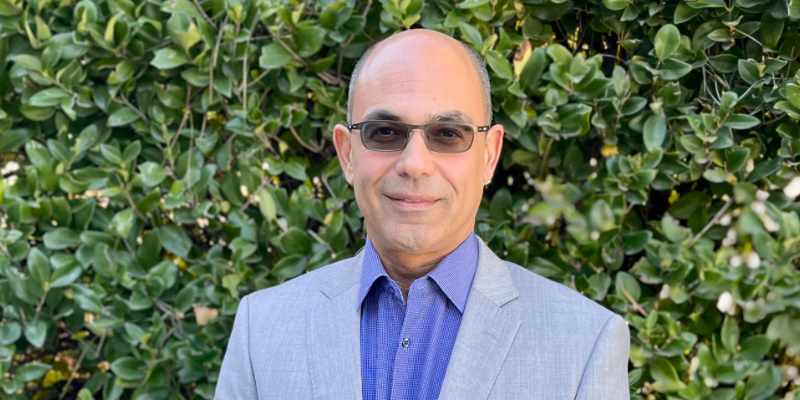
Arastou Aminzadeh, M.D.

Arastou Aminzadeh, M.D.

Dr. Arastou Aminzadeh or Dr. A as most teens refer to him, has been working in variety of clinical settings for the last 20 years. He is well respected nationally for his expertise in Addiction medicine and treating adolescents. Dr. A is a triple board certified physician in psychiatry, Child and Adolescent psychiatry and Addiction medicine.

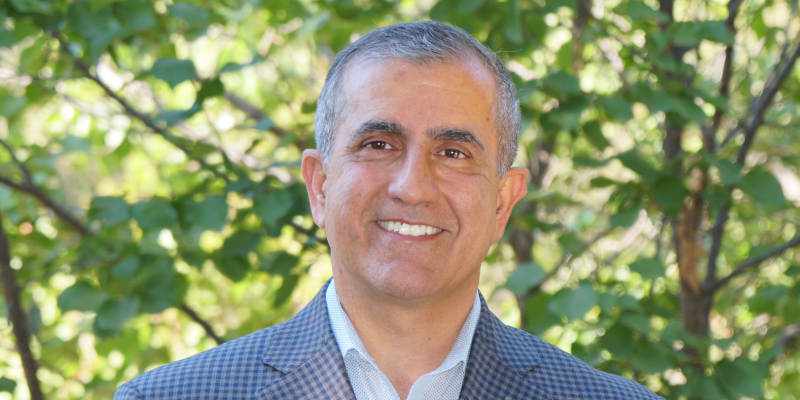
Oliver Ahmadpour, M.D.

Oliver Ahmadpour, M.D.

Dr. Oliver Ahmadpour is an adult and child psychiatrist with nearly four decades of experience in the field of medicine with an M.D. degree from Sweden, where he practiced as an Internal Medicine physician. In the U.S. he completed his Post-Doctoral Fellowship in Endocrinology at UCSD, and his Residency and Fellowship in Adult, Child, and adolescent Psychiatry at USC Keck School of Medicine.

Free Insurance Verification
Most major health insurance plans will help cover up to 100% of the cost of treatment at our program. Find out your teen's coverage & treatment options right now.
News & Resources for Families

Check Out Our Recent Articles

Frequently Asked Questions

We treat a wide range of teen mental health challenges including anxiety, depression, bipolar disorder, OCD, trauma-related disorders, behavioral issues, ADHD, oppositional defiance, substance use, and dual-diagnosis conditions. Many families come to BNI after struggling to find the right level of care elsewhere.

Most private insurance plans cover a significant portion of treatment. Our admissions team verifies benefits quickly and explains coverage, deductibles, and out-of-pocket expectations before admission. We do not accept Medi-Cal or Medicare.

Yes. Many families come to BNI with teens who have complex diagnoses, treatment-resistant depression, severe anxiety, self-harm history, or previous hospitalizations. Our clinical leadership regularly treats high-acuity cases and provides specialized expertise for them.

Absolutely. We use established, research-backed modalities including CBT, DBT, trauma-informed care, psychiatric medication management, experiential therapies, family systems work, and integrative approaches such as mindfulness, yoga, and expressive arts.

Our residential and outpatient programs are located in private, secure homes in Agoura Hills and Calabasas. These areas are known for their safety, privacy, and access to nature—ideal for focused healing and recovery.

Yes. BNI is trusted by the UCLA David Geffen School of Medicine as a training rotation site for physician fellows to learn best practices in adolescent mental health—an acknowledgment of our clinical quality and leadership in teen psychiatry.

What We Treat

888-522-1504