Usually beginning in early adolescence, a heightened sensitivity to appearance sets in. This is the age that young teens become hyper aware of what the …

Most Major Insurance Accepted Verify Benefits
BNI treatment’s ODD Treatment program combines evidence-based therapies such as CBT, DBT, behavior modification, and trauma-informed care to help teens gain control over their reactions, improve frustation tolerance, and develop healthier ways to communicate and cope.
Usually beginning in early adolescence, a heightened sensitivity to appearance sets in. This is the age that young teens become hyper aware of what the …
Usually beginning in early adolescence, a heightened sensitivity to appearance sets in. This is the age that young teens become hyper aware of what the culture has determined constitutes physical attractiveness. The early teen years are a vulnerable time anyway, with emotions running high and social drama defining the days. The added stress of attempting to live up to the perceived definition of beauty or masculinity can lead to a teen’s unhealthy obsession with appearance. Small imperfections become grossly exaggerated in the mind of the teen, which can lead to a variety of disordered behavioral or psychological responses.
Body dysmorphia in teens, or body dysmorphic disorder, refers to the distortions in how the teen sees themselves, versus how they truly look in reality. As an example, a teen who is displeased with her tummy may look in a mirror and see herself looking like she is 8 months pregnant, when in reality she may simply have a slightly protruding belly. But in her mind she has so exaggerated the self-perceived flaw that it has taken on an unrealistic proportion to reality.
Teens who suffer from body dysmorphia may be so obsessed with their perceived physical shortcomings that they resort to unhealthy coping methods. Because they may view themselves as grossly overweight, when in reality they may have ten pounds to lose, they can often resort to drastic measures. Some may simply obsess about how to hide the flaw using make-up tricks or wardrobe strategies. Others may consider plastic surgery, especially in these days of teen stars on social media promoting cosmetic procedures to their young followers. Still others may become acquire compulsive eating disorders in an attempt to “fix” their body shape, or simply isolate themselves in self-disgust.
Body dysmorphia in teens is a mental health condition that needs to be addressed, as these tendencies can cause more serious disorders if left unchecked, such as social anxiety, self-harming behaviors, and depression. Understanding the warning signs of body dysmorphic disorder can help parents obtain help for their adolescent at an early stage of the disorder.
Although one might assume that only girls suffer from body dysmorphia, in reality the disorder affects females and males equally. With the influence of social media being the prevailing source of peer pressure these days, all teens are bombarded daily with images of unrealistic physical perfection, usually altered by the use of filters. Regardless, young teens are highly influenced by the messaging that they, too, should aim for such perfection.
Most teens are able to process this cultural input and keep in in perspective, but other teens, especially teens with certain risk factors, may fall prey to the belief that they are flawed. These risk factors include:
As the teen begins to exhibit certain signs of distress, it may point to body dysmorphic disorder. Some of the warning signs of BDD in teens include:
Initially upon noticing these symptoms, parents should have the teen assessed by a primary care provider who can refer them to a psychiatric provider. The psychiatrist will offer first-line treatment of psychotherapy sessions, and possibly antidepressants if warranted. However, when outpatient mental health treatment is insufficient, parents should consider a residential mental health program. The residential program allows for a more intensive treatment approach that is more equipped to delve into the underlying psychological issues and offer appropriate therapy.
Treatment for body dysmorphia in teens will include a comprehensive approach that addresses all aspects of the teen’s life. A teen-centric mental health program will have a host of experiential therapies that compliment the psychotherapy for enhanced treatment results. The intensive residential program will concentrate on helping the teen process the pressures they experience daily to be perfect, and help them adjust their distorted or delusional thoughts that have resulted in self-defeating behaviors. Building confidence and self-esteem is also a component of therapy. In addition, if an eating disorder has resulted from the BDD, therapy to help change disordered eating habits or patterns is also addressed in a residential program.
Parents and loved ones of the teen can help them by setting a positive example for processing the constant bombardment of images and messaging to be perfect. By the way you express your own acceptance of your physical appearance, you become a positive role model for the teen. The home environment should be supportive and accepting, and every attempt should be made to keep communication lines open with teens.
BNI Treatment Center is a leading residential mental health center for teens ages 12-17. At BNI Treatment, our compassionate staff treats each teen with respect and dignity as they guide the teen toward acquiring a healthy perspective of their inherent value and a realistic sense of their actual appearance.

Dr. Arastou Aminzadeh or Dr. A as most teens refer to him, has been working in variety of clinical settings for the last 20 years. He is well respected nationally for his expertise in Addiction medicine and treating adolescents. Dr. A is a triple board certified physician in psychiatry, Child and Adolescent psychiatry and Addiction medicine.
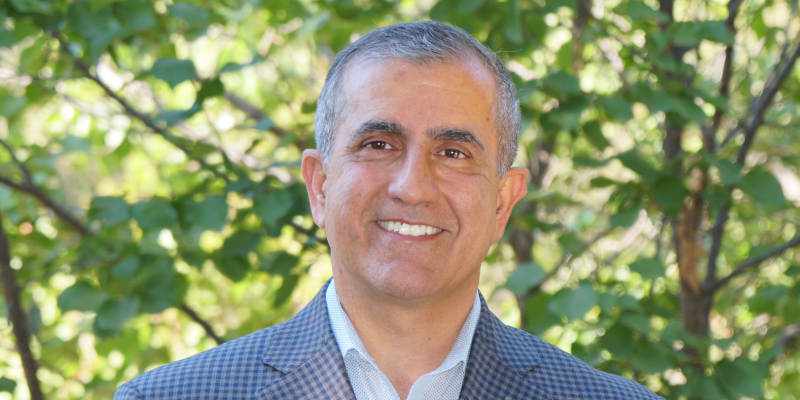
Dr. Oliver Ahmadpour is an adult and child psychiatrist with nearly four decades of experience in the field of medicine with an M.D. degree from Sweden, where he practiced as an Internal Medicine physician. In the U.S. he completed his Post-Doctoral Fellowship in Endocrinology at UCSD, and his Residency and Fellowship in Adult, Child, and adolescent Psychiatry at USC Keck School of Medicine.


We treat a wide range of teen mental health challenges including anxiety, depression, bipolar disorder, OCD, trauma-related disorders, behavioral issues, ADHD, oppositional defiance, substance use, and dual-diagnosis conditions. Many families come to BNI after struggling to find the right level of care elsewhere.
Most private insurance plans cover a significant portion of treatment. Our admissions team verifies benefits quickly and explains coverage, deductibles, and out-of-pocket expectations before admission. We do not accept Medi-Cal or Medicare.
Yes. Many families come to BNI with teens who have complex diagnoses, treatment-resistant depression, severe anxiety, self-harm history, or previous hospitalizations. Our clinical leadership regularly treats high-acuity cases and provides specialized expertise for them.
Absolutely. We use established, research-backed modalities including CBT, DBT, trauma-informed care, psychiatric medication management, experiential therapies, family systems work, and integrative approaches such as mindfulness, yoga, and expressive arts.
Our residential and outpatient programs are located in private, secure homes in Agoura Hills and Calabasas. These areas are known for their safety, privacy, and access to nature—ideal for focused healing and recovery.
Yes. BNI is trusted by the UCLA David Geffen School of Medicine as a training rotation site for physician fellows to learn best practices in adolescent mental health—an acknowledgment of our clinical quality and leadership in teen psychiatry.