Nothing is more disheartening to a parent than to see their teen son or daughter spiraling into addiction. Parents may envision their child’s future being …
Most Major Insurance Accepted Verify Benefits
BNI treatment’s ODD Treatment program combines evidence-based therapies such as CBT, DBT, behavior modification, and trauma-informed care to help teens gain control over their reactions, improve frustation tolerance, and develop healthier ways to communicate and cope.
Nothing is more disheartening to a parent than to see their teen son or daughter spiraling into addiction. Parents may envision their child’s future being …
Nothing is more disheartening to a parent than to see their teen son or daughter spiraling into addiction. Parents may envision their child’s future being compromised, even devastated, by the fallout of a substance use disorder problem. Eventually, a clear sense of urgency develops for finding help for their adolescent before too much damage is done. That concern is not unwarranted, with 70% of teens reporting using alcohol and 50% of teens admitting to using an illegal drug, according to the National Institute on Drug Abuse.
Filling the niche for teens with a drug or alcohol use disorder are treatment programs that are devoted and customized solely to this age bracket. This is important because the teen brain is not yet fully developed, making addiction treatment for this demographic different in significant ways. There are additional factors that are unique to the teen years, and these must be addressed as such within a program tailored for young people. Starting with an adolescent detox center and then into the active treatment phase, the teen addiction program should reflect the particular developmental characteristics of teens throughout treatment.
A parent knows his or her own child. When trouble with substance use disorder enters the picture, there is usually a sense that something is up with their teen; something is off. That gut feeling is almost always something to pay close attention to. There are several signs and symptoms of a teen’s drug or alcohol experimentation or abuse. These might include:
Adolescent detox centers and rehabs will interview the teen to assess the substance use disorder treatment needs, as well as evaluate whether a co-occurring mental health disorder is present. The teen’s physical and mental health history will be reviewed as part of the intake process as well. The treatment plan will be determined by these findings, as well as an interview with the teen’s parents.
The first priority in treatment is to determine if the teen needs to undergo a medical detox or acute stabilization. Medical detox for an adolescent involves the process of ridding the body of the toxins related to the substance of use disorder under the supervision of medical addiction specialists. During detox, the teen will be closely monitored and provided medications that will help relieve uncomfortable withdrawal symptoms. Once detox and withdrawal have been completed, the teen will be ready for active participation in treatment.
A comprehensive approach will include one-on-one psychotherapy, group therapy, and addiction education. There are many evidence-based therapies that can be used for teen addiction treatment. One of the most effective is cognitive behavioral therapy (CBT), which can help the teen restructure the thought and behavior responses that have triggered the need to use substances. CBT teaches the adolescent to examine their self-destructive behavioral responses to certain disordered thought patterns and to use new coping tools to change them to healthy responses.
Treatment for teen substance use disorder focuses on the family dynamic, as this is the core social environment for an adolescent. For this reason, family therapy is an integral component of teen treatment plans. Teens may participate in a recovery support group, such as Teen Addiction Anonymous, that helps foster peer support during and following treatment.
BNI Treatment Centers is an interdisciplinary teen treatment program serving California. BNI Treatment Center is owned and operated by physicians specializing in psychiatry and addiction treatment. By treating the whole person, not just the diagnosis, BNI believes teens can rise above their difficulties with substance use disorder or mental health conditions and achieve their life’s potential. The holistic program elements include psychotherapy, surf therapy, music, dance, and art therapies, yoga and mindfulness exercises. For more information about the program, please contact BNI today at 888-522-1504.
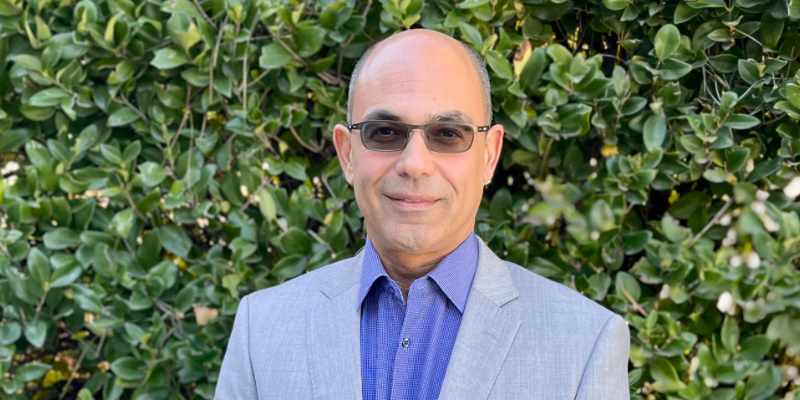
Dr. Arastou Aminzadeh or Dr. A as most teens refer to him, has been working in variety of clinical settings for the last 20 years. He is well respected nationally for his expertise in Addiction medicine and treating adolescents. Dr. A is a triple board certified physician in psychiatry, Child and Adolescent psychiatry and Addiction medicine.
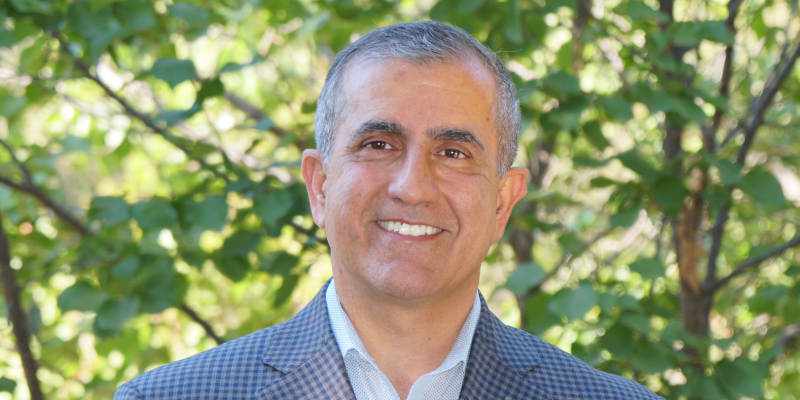
Dr. Oliver Ahmadpour is an adult and child psychiatrist with nearly four decades of experience in the field of medicine with an M.D. degree from Sweden, where he practiced as an Internal Medicine physician. In the U.S. he completed his Post-Doctoral Fellowship in Endocrinology at UCSD, and his Residency and Fellowship in Adult, Child, and adolescent Psychiatry at USC Keck School of Medicine.


We treat a wide range of teen mental health challenges including anxiety, depression, bipolar disorder, OCD, trauma-related disorders, behavioral issues, ADHD, oppositional defiance, substance use, and dual-diagnosis conditions. Many families come to BNI after struggling to find the right level of care elsewhere.
Most private insurance plans cover a significant portion of treatment. Our admissions team verifies benefits quickly and explains coverage, deductibles, and out-of-pocket expectations before admission. We do not accept Medi-Cal or Medicare.
Yes. Many families come to BNI with teens who have complex diagnoses, treatment-resistant depression, severe anxiety, self-harm history, or previous hospitalizations. Our clinical leadership regularly treats high-acuity cases and provides specialized expertise for them.
Absolutely. We use established, research-backed modalities including CBT, DBT, trauma-informed care, psychiatric medication management, experiential therapies, family systems work, and integrative approaches such as mindfulness, yoga, and expressive arts.
Our residential and outpatient programs are located in private, secure homes in Agoura Hills and Calabasas. These areas are known for their safety, privacy, and access to nature—ideal for focused healing and recovery.
Yes. BNI is trusted by the UCLA David Geffen School of Medicine as a training rotation site for physician fellows to learn best practices in adolescent mental health—an acknowledgment of our clinical quality and leadership in teen psychiatry.