While many of us like to believe drug addiction is an adult problem, it often starts at a young age. According to Drug Abuse Statistics, …
Most Major Insurance Accepted Verify Benefits
BNI treatment’s ODD Treatment program combines evidence-based therapies such as CBT, DBT, behavior modification, and trauma-informed care to help teens gain control over their reactions, improve frustation tolerance, and develop healthier ways to communicate and cope.
While many of us like to believe drug addiction is an adult problem, it often starts at a young age. According to Drug Abuse Statistics, …
While many of us like to believe drug addiction is an adult problem, it often starts at a young age. According to Drug Abuse Statistics, in 2023, 1.86 million adolescents aged 12 to 17 reported using drugs in the last month. 5.67% of overdose deaths involve individuals 15-24.
Fortunately, adolescent therapy is available. But which therapies are best suited to your child, and what do they entail? This article will tell you all you need to know.
Addiction is often tied to mental health issues. Rather than get professional help, people often self-medicate to calm feelings of depression and anxiety. While drugs can provide temporary relief, they often make problems worse, causing chemical imbalances in the brain that interfere with emotional regulation and lead to relationship, professional, legal, and personal issues.
Adolescence is a tough time, and teens deal with stress too. Common sources include school, family, and peer pressure. Some are even exposed to trauma at a young age. And just like adults, rather than reach out for help, many self-medicate with drugs and alcohol.
Therapy offers an alternative. It helps adults and teens develop coping skills so they don’t need to rely on drugs and alcohol, often supporting long-term recovery.
Mental health professionals will determine which approach to use with your child based on their individual needs, considering their state of emotional wellness and the type and severity of the addiction. However, the following therapies are commonly integrated.
Cognitive behavioral therapy recognizes how negative thought processes lead to negative outcomes, like drug use. It aims to help people identify and address negative patterns and change their behavior. The teen therapist will work with the adolescent to help them recognize unhelpful self-talk and cognitive distortions and replace them with more realistic, rational thoughts.
The therapy is:
Structured and Goal-Oriented: Typically, a specific number of sessions (6-20 weeks) is used to produce results.
Problem-Focused: It targets current problems rather than exploring unconscious meanings.
Homework-Based: Teens may be assigned homework to work toward goals between sessions.
Skill Building: Individuals learn coping skills to become their own therapists.
DBT is a subset of CBT, but it focuses more on helping teens accept their emotions and regulate them. It is more suited for PTSD and emotional regulation than anxiety disorders. The therapy emphasizes mindfulness and validation rather than trying to change thought patterns.
Dialectical behavior therapy also typically lasts longer than CBT, with sessions lasting 6 months to a year. It also incorporates therapy, skills training, and phone therapy between sessions, whereas CBT involves individual therapy only.
Motivational enhancement grew from motivational interviewing and is also related to CBT. It motivates people to change, guiding them away from abivalent thought processes.
In ME, the therapist takes a non-judgmental approach, asking open-ended and scaling questions. The main goal is to get the client to weigh the pros and cons of drug use and consider their values. Ideally, they will realize drug use goes against their values, championing their recovery.
Family involvement is extremely important in child and adolescent recovery. A 2016 NIH study found that family counseling improves recovery rates by 40% compared with individual therapy and group counseling alone.
Here’s what’s involved in these mental health services:
Families learn more about their child and the underlying factors of addiction
They learn to identify and avoid codependent and enabling behaviors that may contribute to drug use
Clinical social workers teach them to create a safe and supportive environment for their child and develop a therapeutic relationship, conducive to healing
Contingency management rewards people for positive change, such as maintaining sobriety for a set period, being honest in therapy sessions, and improving relationships. Typical rewards include gift cards, tokens, small items, and even cash.
The idea of the therapy is to replace the rewarding effects of drugs with actual, real rewards. It is especially effective in teen therapy as a young person’s reward system is more vulnerable than an adult’s, because their brains are still developing. A 2020 NIH study reveals how heightened neural responses in the ventral striatum contribute to these vulnerabilities.
The therapeutic approach reduces the potential dangers of drug use, promoting more positive behavior changes.
Support groups are often integrated in a teen treatment plan. Teens get together to discuss issues that may have led to drug use and celebrate each other’s goals and victories. It helps group members:
Reduce feelings of isolation, which may contribute to depression and substance use
Gain a deeper understanding of why they may have used drugs in the past
Learn coping strategies from their peers
Develop a positive support network
Teens who enter recovery typically go through treatment in stages, as follows:
The first step involves allowing the teen to ‘dry out’ from drug use. They will undergo withdrawal symptoms that may make them want to go back to using substances, but clinics provide supervision to make them as comfortable as possible. They typically:
Use medications to reduce cravings and symptoms
Monitor vital signs to prevent serious complications
Supervise the process to ensure relapse doesn’t occur
Once detox is complete, teens start therapy and undergo an initial assessment during their first session. The mental health team will work closely with them to identify emotional challenges and determine the most appropriate evidence-based approaches. Sessions can take place in a residential or partial hospitalization setting.
Sessions may be completed, but recovery is a life-long process. The clinic will continue to provide support with the following techniques:
Ongoing outpatient services, including individual counseling and family sessions, are provided on a flexible schedule
Specialists recommend healthy habits that replace unhealthy behaviors and improve low self-esteem
Relapse Prevention: Therapists work with families to identify and prevent triggers, ensure teens hang out with the right crowd, and follow a structured schedule to prevent relapse
BNI offers specialized treatment for teens, helping them overcome drug use and move on to healthier living. We are familiar with adolescent issues and provide a safe space for recovery, prioritizing parental involvement. Our team takes a dual diagnosis approach, addressing mental health issues to support long-term well-being.
Contact us to learn how we can help your child achieve a healthier future.
Your teen may need adolescent therapy if you notice withdrawal from activities, risky behavior, personality changes, declining grades, hangover symptoms, signs of self-harm, and red, glassy eyes. Early intervention can reduce escalation and mental health crises.
Yes, our team of licensed professionals has developed an expertise in addiction and mental health issues in teens, ensuring age-appropriate, holistic care. Many have master’s degrees in this specialized approach.
Teens may enroll in a residential treatment plan, which requires staying at the facility24/7 while undergoing therapy and supervision, or a partial hospitalization plan (PHP), which involves staying at the facility several hours a day and returning home at night. After these initial stages of therapy are complete, teens typically move on to outpatient therapy, receiving care on a more flexible schedule.
We understand family dynamics are essential in teen wellness. We bring families together so they can navigate challenges, develop communication skills, learn to set healthy boundaries, and provide a safe environment for their child.
Yes, BNI offers a dual diagnosis approach, addressing addiction and its underlying psychological cause. We help teens develop the tools they need to deal with their emotions in a healthy manner, reducing the risk of drug use.
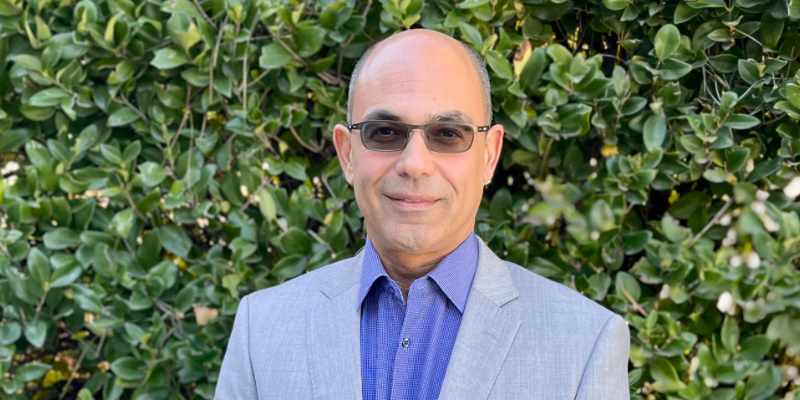
Dr. Arastou Aminzadeh or Dr. A as most teens refer to him, has been working in variety of clinical settings for the last 20 years. He is well respected nationally for his expertise in Addiction medicine and treating adolescents. Dr. A is a triple board certified physician in psychiatry, Child and Adolescent psychiatry and Addiction medicine.
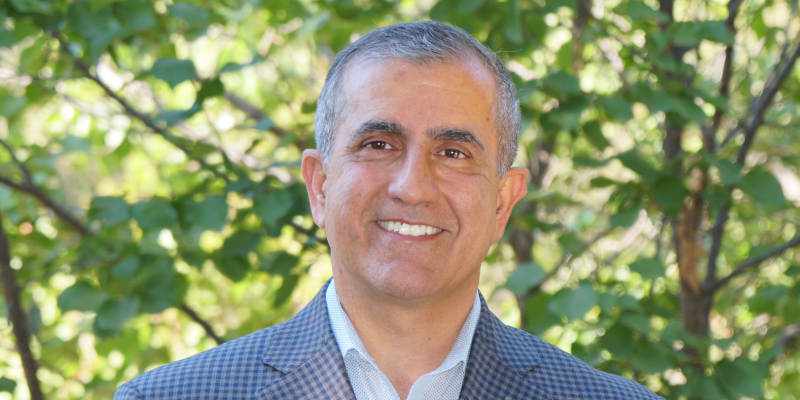
Dr. Oliver Ahmadpour is an adult and child psychiatrist with nearly four decades of experience in the field of medicine with an M.D. degree from Sweden, where he practiced as an Internal Medicine physician. In the U.S. he completed his Post-Doctoral Fellowship in Endocrinology at UCSD, and his Residency and Fellowship in Adult, Child, and adolescent Psychiatry at USC Keck School of Medicine.


We treat a wide range of teen mental health challenges including anxiety, depression, bipolar disorder, OCD, trauma-related disorders, behavioral issues, ADHD, oppositional defiance, substance use, and dual-diagnosis conditions. Many families come to BNI after struggling to find the right level of care elsewhere.
Most private insurance plans cover a significant portion of treatment. Our admissions team verifies benefits quickly and explains coverage, deductibles, and out-of-pocket expectations before admission. We do not accept Medi-Cal or Medicare.
Yes. Many families come to BNI with teens who have complex diagnoses, treatment-resistant depression, severe anxiety, self-harm history, or previous hospitalizations. Our clinical leadership regularly treats high-acuity cases and provides specialized expertise for them.
Absolutely. We use established, research-backed modalities including CBT, DBT, trauma-informed care, psychiatric medication management, experiential therapies, family systems work, and integrative approaches such as mindfulness, yoga, and expressive arts.
Our residential and outpatient programs are located in private, secure homes in Agoura Hills and Calabasas. These areas are known for their safety, privacy, and access to nature—ideal for focused healing and recovery.
Yes. BNI is trusted by the UCLA David Geffen School of Medicine as a training rotation site for physician fellows to learn best practices in adolescent mental health—an acknowledgment of our clinical quality and leadership in teen psychiatry.