Most Major Insurance Accepted Verify Benefits 

BNI treatment’s ODD Treatment program combines evidence-based therapies such as CBT, DBT, behavior modification, and trauma-informed care to help teens gain control over their reactions, improve frustation tolerance, and develop healthier ways to communicate and cope.

Teens are notoriously bent toward drama. Life’s ups and downs are expressed in bursts of intense emotion. But when a teen struggles in daily life, …

Teens are notoriously bent toward drama. Life’s ups and downs are expressed in bursts of intense emotion. But when a teen struggles in daily life, or in the social realm, it may be time to seek help. A school counselor or a private practice therapist can offer support for the teen. Sometimes all a young person really needs is someone to listen to them.

If your teen shows the signs and symptoms of a mental health crisis, however, the need to intervene is crucial. There must be no delay. A parent is wise in being proactive in the event of a teen’s mental health crisis. The teen will need to be stabilized in a safe, supportive setting. This is where a teen mental health center plays an important role.

What Is a Psychiatric Crisis?

adolescent residential treatment centers

Mental health disorders emerge at a certain level. The teen’s condition will either become stable with treatment, or it will get worse over time. A mental health issue, in most cases, will improve over time. However, sometimes a mental illness can become more serious. It may even evolve into a mental health crisis.

A study out of Finland reported in the journal, Addiction, notes a connection between mental health and substance use disorder. It states that teens with depression are more inclined to develop substance use disorders in later years. This reminds parents to address teen mental health in a timely manner. By getting the teen treatment early on, it may help avoid a crisis later.

A mental health crisis involves an event during which the teen is displaying extreme distress. Their behavior may have become more erratic, violent, or odd. These events may involve self-harm that is not life threatening. Also, eating disorders, threats of suicide, or symptoms of extreme anxiety or depression might occur. During a mental health crisis, the teen should not be left alone. Plans should be made to admit them right away into a teen mental health center for evaluation.

How is the Teen Evaluated?

A teen residential treatment center program provides the best care in this event. At the outset, the health and mental health profiles and history are closely evaluated. From this data a tailored treatment plan is created. If needed, the teen will be stabilized and monitored in an isolated section of the center. The intake will involve:

  • Health history, including medical, psychiatric, and medications.
  • Interviews with teen and parent to discuss current symptoms.
  • Review of teen’s family history.
  • Discuss the teen’s relationships.
  • Discuss the teen’s school experience, both social and academic.
  • Review of family history of mental health issues.

Some teens may be in the midst of an acute psychotic event. Some teens in crisis have become a threat to him or her self, or to others. In these events, acute stabilization is the first step in the treatment plan. The teen’s safety is the number one concern. The teen mental health center will provide a secluded, safe area for the teen. This allows the teen to be closely watched during the efforts to stabilize him or her.

What Is an Adolescent Psychiatric Treatment Program?

Teen Treatment Center California

A mental health center for teens provides the highest level of care. It is the right setting for teens that struggle with moderate to serious mental health problems.

Once stabilized, the teen will begin therapy. Also, medication will likely be prescribed and managed during their stay. Therapy includes different types of therapy plus other activities that will help them. In general, treatment includes:

  • Psychotherapy. Therapy engages the teen in a one-on-one setting with a therapist. Therapy helps teens look at issues and feelings that may be factors in their mental health problem. There are different types of therapy to use when working with teens. These include psychodynamic therapy, CBT, solutions-focused therapy, DBT, exposure therapy, and MBCT. Together the therapist and teen client will discuss the troubling issues and work to process and heal them. Therapy is central to a teen getter better.
  • Group therapy. Group therapy sessions involve small groups with other teen patients. A therapist helps guide the topics being discussed. The teens are asked to share about their feelings and struggles. These support groups are a safe space to discuss family conflicts, fears, and sources of pain. Group sessions allow teens to offer each other support in the healing process. These group sessions can foster peer support and bonding while in treatment.
  • Family-focused therapy. The family is the main source of support for teens. When there is dysfunction in the family, strife follows. By dealing with family issues it can help the teen heal past wounds. The family group sessions provide a chance to assess the family dynamic. This allows the therapist to teach coping skills such as how to resolve conflicts and how to communicate better. Family group also helps members set healthy boundaries.

Teen mental health centers also use experiential therapies to enhance results. There is a wide range of these that teens really enjoy. Some include equine therapy, surf therapy, art therapy, adventure therapy, yoga, and meditation.

BNI Treatment Teen Psychiatric Treatment Centers California

BNI Treatment is a psychiatrist-owned and operated inpatient mental health treatment center for teens. BNI Treatment helps teens with mental health disorders that would benefit from intensive intervention. This includes acute stabilization during a mental health crisis. BNI treats teens with mental health disorders, substance use disorders, and dual diagnosis. BNI’s expert clinical team is prepared to provide the highest standard of care using an evidence-based treatment approach. BNI offers a menu of experiential therapies including surf therapy, art, music, and dance therapies, yoga, and equine therapy. For more information about our program, please contact BNI Treatment at (888) 522-1504.


About the Author
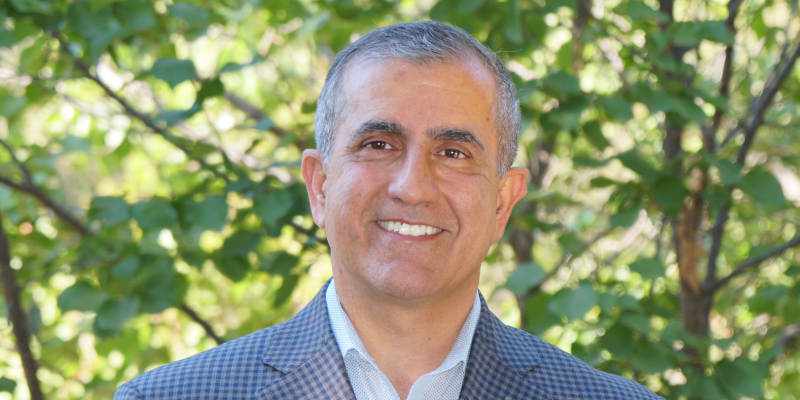
Arastou Aminzadeh, M.D.

Arastou Aminzadeh, M.D.

Dr. Arastou Aminzadeh or Dr. A as most teens refer to him, has been working in variety of clinical settings for the last 20 years. He is well respected nationally for his expertise in Addiction medicine and treating adolescents. Dr. A is a triple board certified physician in psychiatry, Child and Adolescent psychiatry and Addiction medicine.

Oliver Ahmadpour, M.D.

Oliver Ahmadpour, M.D.

Dr. Oliver Ahmadpour is an adult and child psychiatrist with nearly four decades of experience in the field of medicine with an M.D. degree from Sweden, where he practiced as an Internal Medicine physician. In the U.S. he completed his Post-Doctoral Fellowship in Endocrinology at UCSD, and his Residency and Fellowship in Adult, Child, and adolescent Psychiatry at USC Keck School of Medicine.

Free Insurance Verification
Most major health insurance plans will help cover up to 100% of the cost of treatment at our program. Find out your teen's coverage & treatment options right now.

Frequently Asked Questions

We treat a wide range of teen mental health challenges including anxiety, depression, bipolar disorder, OCD, trauma-related disorders, behavioral issues, ADHD, oppositional defiance, substance use, and dual-diagnosis conditions. Many families come to BNI after struggling to find the right level of care elsewhere.

Most private insurance plans cover a significant portion of treatment. Our admissions team verifies benefits quickly and explains coverage, deductibles, and out-of-pocket expectations before admission. We do not accept Medi-Cal or Medicare.

Yes. Many families come to BNI with teens who have complex diagnoses, treatment-resistant depression, severe anxiety, self-harm history, or previous hospitalizations. Our clinical leadership regularly treats high-acuity cases and provides specialized expertise for them.

Absolutely. We use established, research-backed modalities including CBT, DBT, trauma-informed care, psychiatric medication management, experiential therapies, family systems work, and integrative approaches such as mindfulness, yoga, and expressive arts.

Our residential and outpatient programs are located in private, secure homes in Agoura Hills and Calabasas. These areas are known for their safety, privacy, and access to nature—ideal for focused healing and recovery.

Yes. BNI is trusted by the UCLA David Geffen School of Medicine as a training rotation site for physician fellows to learn best practices in adolescent mental health—an acknowledgment of our clinical quality and leadership in teen psychiatry.

What We Treat

888-522-1504