Parents with troubled teens may consider getting them help through outpatient counseling, residential treatment centers, and even wilderness boarding schools. This article will explore the …

Most Major Insurance Accepted Verify Benefits
BNI treatment’s ODD Treatment program combines evidence-based therapies such as CBT, DBT, behavior modification, and trauma-informed care to help teens gain control over their reactions, improve frustation tolerance, and develop healthier ways to communicate and cope.
Parents with troubled teens may consider getting them help through outpatient counseling, residential treatment centers, and even wilderness boarding schools. This article will explore the …
Parents with troubled teens may consider getting them help through outpatient counseling, residential treatment centers, and even wilderness boarding schools. This article will explore the options so families can find one that feels right to them.
Having a troubled teenager can feel overwhelming for parents, but help is available. Families have many options to consider, including inpatient and outpatient treatment, various levels of care, and even boarding schools. The hard part is deciding which is right for your child.
Professional guidance can help parents find the ideal program, but this article serves as a starting point. It allows you to explore your options so you can provide informed insight in the decision-making process.
Your teen may need professional help if they exhibit emotional and behavioral signs that go beyond typical teen behavior. Considering behavioral problems affect 8.9% of children aged 3-17 (about 5.5 million, according to a National Library of Medicine research), parents should know what to look out for. Adolescents require care when their issues are prolonged, interfere with daily life, and lead to activities that can harm themselves and others.
Troubled teen programs generally include inpatient and outpatient programs, as well as therapeutic boarding schools. Each varies in the approach and intensity, but they generally aim to teach teens life skills and coping strategies so they can deal with mental health issues in a healthy manner. Here are some options families can choose from.
Recommended for teens in crisis mode, this care addresses psychiatric and drug-related episodes. It may include getting your teen to a safe space to avoid self-harm, prescribing medications, or managing withdrawal symptoms. Once young adults are stabilized, they are integrated into a behavior modification program that targets the underlying cause of emotional problems.
With residential care, the teen stays in the treatment center 24/7 for a specific time period. It provides highly structured care for troubled youth with severe behavioral issues. Academic support is typically included in the program, ensuring teens don’t fall behind on their schoolwork.
Outpatient care spans various levels, meeting the teen where they are in the treatment spectrum. Each level can be a step up or down from a previous level of care. Options include:
PHP offers a more full-time approach to care. At BNI Treatment Clinics, this means participating in the program six hours a day, five days a week. It offers structure for teens who can adhere to treatment while living at home and can be a primary treatment or a step down from residential care. Due to the rigorous schedule, academic support is included.
Teens attend shorter sessions fewer days each week. For example, BNI’s Los Angeles IOP offers three hours of therapy per day, 3-5 days a week. The program can be a primary form of care, a step down from PHP, or a step up from traditional outpatient services. It offers support for teens who can adhere to treatment with a flexible approach and can be scheduled around school and extracurricular activities.
Aftercare planning is developed from the start of treatment to support relapse prevention and academic reintegration. Ongoing outpatient therapy is included for emotional regulation, guiding long-term recovery.
Focused on wilderness therapy, this program requires teens to live in a rustic residential setting, typically for 8-12 weeks. The therapeutic environment removes teens from triggers and requires them to participate in physical challenges (camping, hiking) to build resilience and self-reliance.
Teens are treated with personalized approaches that typically include family therapy, group therapy, evidence-based care, and holistic practices, as follows:
Parents should look for treatment facilities that are licensed, accredited, have credentialed staff, offer age-specific programs, and provide ongoing support, academic programming, and family involvement.
The admissions process typically consists of initial assessment, a clinical evaluation, and insurance verification before starting treatment. Here’s what it looks like at BNI Clinics.
Parents can support teens through treatment by being honest, staying engaged, managing their own stress and guilt, setting realistic expectations, and preparing for the home transition.
BNI Clinics offers compassionate support for teens. We provide a range of programs, ensuring a continuum of care that adjusts to adolescent needs. Our treatments are specifically designed with teens in mind, with academic support and a consideration of their developmental stages.
Contact us to schedule a tour and learn how we can help your teen achieve a brighter future.
Residential programs provide highly structured, 24/7 care for teens with advanced needs. Outpatient programs allow teens to get treatment while living at home and are available across various levels, meeting teens where they’re at on the care spectrum.
The level of care your teen needs depends on the severity and duration of symptoms and associated risks. A clinician will ensure they get the appropriate treatment.
Family therapy is an important part of treatment. Due to individual circumstances, it isn’t always possible. However, at BNI, we make every effort to include it in our offerings.
Insurance is available for mental health and behavioral treatment for teens, but plans and coverage vary. BNI provides an insurance verification over the phone, so you understand where coverage applies.
Parents can start the admissions process by reaching out to BNI by phone or by filling out an online form. One of our representatives will contact you to discuss your teen’s issues and review treatment options. If you decide to proceed, we will conduct a thorough evaluation to ensure your teen gets personalized care.
Sources

Dr. Arastou Aminzadeh or Dr. A as most teens refer to him, has been working in variety of clinical settings for the last 20 years. He is well respected nationally for his expertise in Addiction medicine and treating adolescents. Dr. A is a triple board certified physician in psychiatry, Child and Adolescent psychiatry and Addiction medicine.
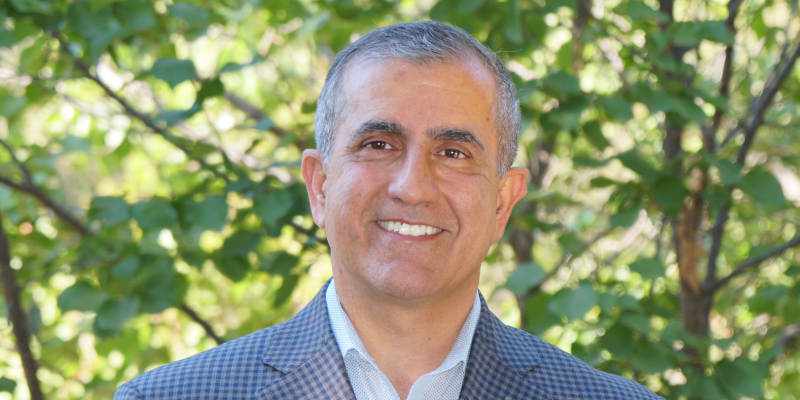
Dr. Oliver Ahmadpour is an adult and child psychiatrist with nearly four decades of experience in the field of medicine with an M.D. degree from Sweden, where he practiced as an Internal Medicine physician. In the U.S. he completed his Post-Doctoral Fellowship in Endocrinology at UCSD, and his Residency and Fellowship in Adult, Child, and adolescent Psychiatry at USC Keck School of Medicine.


We treat a wide range of teen mental health challenges including anxiety, depression, bipolar disorder, OCD, trauma-related disorders, behavioral issues, ADHD, oppositional defiance, substance use, and dual-diagnosis conditions. Many families come to BNI after struggling to find the right level of care elsewhere.
Most private insurance plans cover a significant portion of treatment. Our admissions team verifies benefits quickly and explains coverage, deductibles, and out-of-pocket expectations before admission. We do not accept Medi-Cal or Medicare.
Yes. Many families come to BNI with teens who have complex diagnoses, treatment-resistant depression, severe anxiety, self-harm history, or previous hospitalizations. Our clinical leadership regularly treats high-acuity cases and provides specialized expertise for them.
Absolutely. We use established, research-backed modalities including CBT, DBT, trauma-informed care, psychiatric medication management, experiential therapies, family systems work, and integrative approaches such as mindfulness, yoga, and expressive arts.
Our residential and outpatient programs are located in private, secure homes in Agoura Hills and Calabasas. These areas are known for their safety, privacy, and access to nature—ideal for focused healing and recovery.
Yes. BNI is trusted by the UCLA David Geffen School of Medicine as a training rotation site for physician fellows to learn best practices in adolescent mental health—an acknowledgment of our clinical quality and leadership in teen psychiatry.