When a child is hurting, parents hurt, too. Nothing is more painful to a parent than witnessing their teen in emotional pain. Teenage depression is …

Most Major Insurance Accepted Verify Benefits
BNI treatment’s ODD Treatment program combines evidence-based therapies such as CBT, DBT, behavior modification, and trauma-informed care to help teens gain control over their reactions, improve frustation tolerance, and develop healthier ways to communicate and cope.
When a child is hurting, parents hurt, too. Nothing is more painful to a parent than witnessing their teen in emotional pain. Teenage depression is …
When a child is hurting, parents hurt, too. Nothing is more painful to a parent than witnessing their teen in emotional pain. Teenage depression is real. This condition differs from occasional bouts of the blues caused by an upsetting event or a hormonal shift, which tend to be transient events that resolve spontaneously. Clinically diagnosed depression in teens is the result of a persistent condition that interferes with normal daily functioning.
Parents want to know “how can I help my depressed teenager?” They are deeply concerned about the teen’s worsening state of mind, and the peripheral effects of depression, such as declining academic performance, excessive absences from school, weight changes, and other worrisome effects. Parents are in need of a game plan for their teen’s depressive disorder, a guide to help them manage this difficult situation.
About 20% of American teenagers struggle with a bout of depression each year, according to statistics provided by the National Institute of Mental Health. This means that an estimated 5 million adolescents experience a depressive episode in a given year, with 3.7 million of those involving impairment. The rates of depression among teenage girls is over two times higher than boys, or 29.2% versus 11.5%. Unfortunately, only about 40% these teens ever receive treatment for the condition, which allows the problem to worsen and possibly follow them into adulthood.
The signs your teen may be struggling with depression include:
When a cluster of these depression symptoms is present most of the time for more than two weeks, it is likely the teen is in the midst of a depressive episode and needs professional intervention.
Self-harming behaviors are increasingly common among distress teens who use the practice of self-mutilation to help process problematic emotions, with about 16% of teens engaging in these behaviors. Self-harming behaviors might involve cutting, pinching, or scratching the skin, banging the head against a wall, or inflicting burns on themselves.
Self-harm could be a symptom of depression or anxiety, and is an attempt to relieve feelings of sadness, frustration, or a sense that their life is out of control. Signs a teen might be engaging in self-harm would be:
Self-harming behaviors are a maladaptive response to psychological pain. The sooner the teen is evaluated for the underlying issue, the better the recovery outcome.
When a parent asks, “How can I help my depressed teenager?” the best response would be to have them assessed by a doctor. The teen may have difficulty opening up to the parent, so having them discuss the issue with a family doctor is a good starting place. The doctor will first want to rule out a medical condition that might be contributing to the symptoms, so he or she will order labs and conduct a physical exam. If there is no health problem identified, the doctor will refer the teen to a psychiatrist to further investigate the problem.
When meeting with a psychiatrist, the first step is a conversation between the doctor and the teen, and the doctor and the parents. These conversations help provide clues as to the extent of the illness and any relevant information about recent life events that may be contributory. Following the interviews, the psychiatrist may utilize specific diagnostic tools, such as depression rating scales, to help them make an accurate diagnosis. From these sources of information, the doctor will make a diagnosis and create a treatment plan for the teen.
Teens with major depressive disorder will likely be placed on a two-pronged treatment regimen involving antidepressant medication and psychotherapy. Antidepressants are to be carefully monitored, as there is some concern regarding the reports that these drugs might lead to suicidal thoughts and actions in approximately 2% of young patients. The medication takes about six weeks to become effective and the doctor may need to make adjustments as the trial ensues.
Psychotherapy is also referred to as talk therapy and involves private conversations between a licensed psychotherapist and the teen. Initially, these sessions may be scheduled weekly. The therapist will attempt to gain the trust of the teen and establish a good rapport so the teen will open up and allow for productive meetings. The teen may have experienced a traumatic event or other negative life events that may need to be processed in therapy. This will help the teen acquire new coping strategies, to heal, and to move forward.
There is scientific evidence that nutrition can play a significant role in regulating mood. Often, the teen diet is rich in processed snacks, fast foods, and sugary beverages. These food choices are not optimal for maintaining mental wellness. Instead, it has been found that certain foods can improve brain functioning and emotion regulation. These include:
Teens should also be encouraged to get regular exercise, as activity helps produce endorphins, dopamine, and serotonin, the brain chemicals that can boost mood and improve sleep quality. Parents wondering “How do I help my depressed teenager” should employ good nutrition and regular exercise along with the core plan for treating teen depression.

Dr. Arastou Aminzadeh or Dr. A as most teens refer to him, has been working in variety of clinical settings for the last 20 years. He is well respected nationally for his expertise in Addiction medicine and treating adolescents. Dr. A is a triple board certified physician in psychiatry, Child and Adolescent psychiatry and Addiction medicine.
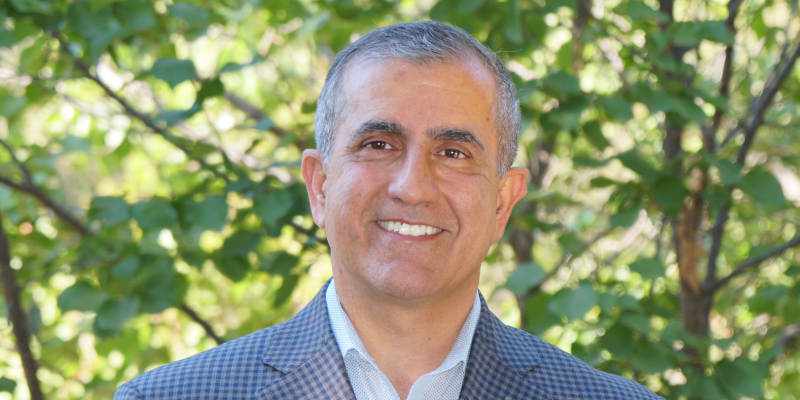
Dr. Oliver Ahmadpour is an adult and child psychiatrist with nearly four decades of experience in the field of medicine with an M.D. degree from Sweden, where he practiced as an Internal Medicine physician. In the U.S. he completed his Post-Doctoral Fellowship in Endocrinology at UCSD, and his Residency and Fellowship in Adult, Child, and adolescent Psychiatry at USC Keck School of Medicine.


We treat a wide range of teen mental health challenges including anxiety, depression, bipolar disorder, OCD, trauma-related disorders, behavioral issues, ADHD, oppositional defiance, substance use, and dual-diagnosis conditions. Many families come to BNI after struggling to find the right level of care elsewhere.
Most private insurance plans cover a significant portion of treatment. Our admissions team verifies benefits quickly and explains coverage, deductibles, and out-of-pocket expectations before admission. We do not accept Medi-Cal or Medicare.
Yes. Many families come to BNI with teens who have complex diagnoses, treatment-resistant depression, severe anxiety, self-harm history, or previous hospitalizations. Our clinical leadership regularly treats high-acuity cases and provides specialized expertise for them.
Absolutely. We use established, research-backed modalities including CBT, DBT, trauma-informed care, psychiatric medication management, experiential therapies, family systems work, and integrative approaches such as mindfulness, yoga, and expressive arts.
Our residential and outpatient programs are located in private, secure homes in Agoura Hills and Calabasas. These areas are known for their safety, privacy, and access to nature—ideal for focused healing and recovery.
Yes. BNI is trusted by the UCLA David Geffen School of Medicine as a training rotation site for physician fellows to learn best practices in adolescent mental health—an acknowledgment of our clinical quality and leadership in teen psychiatry.